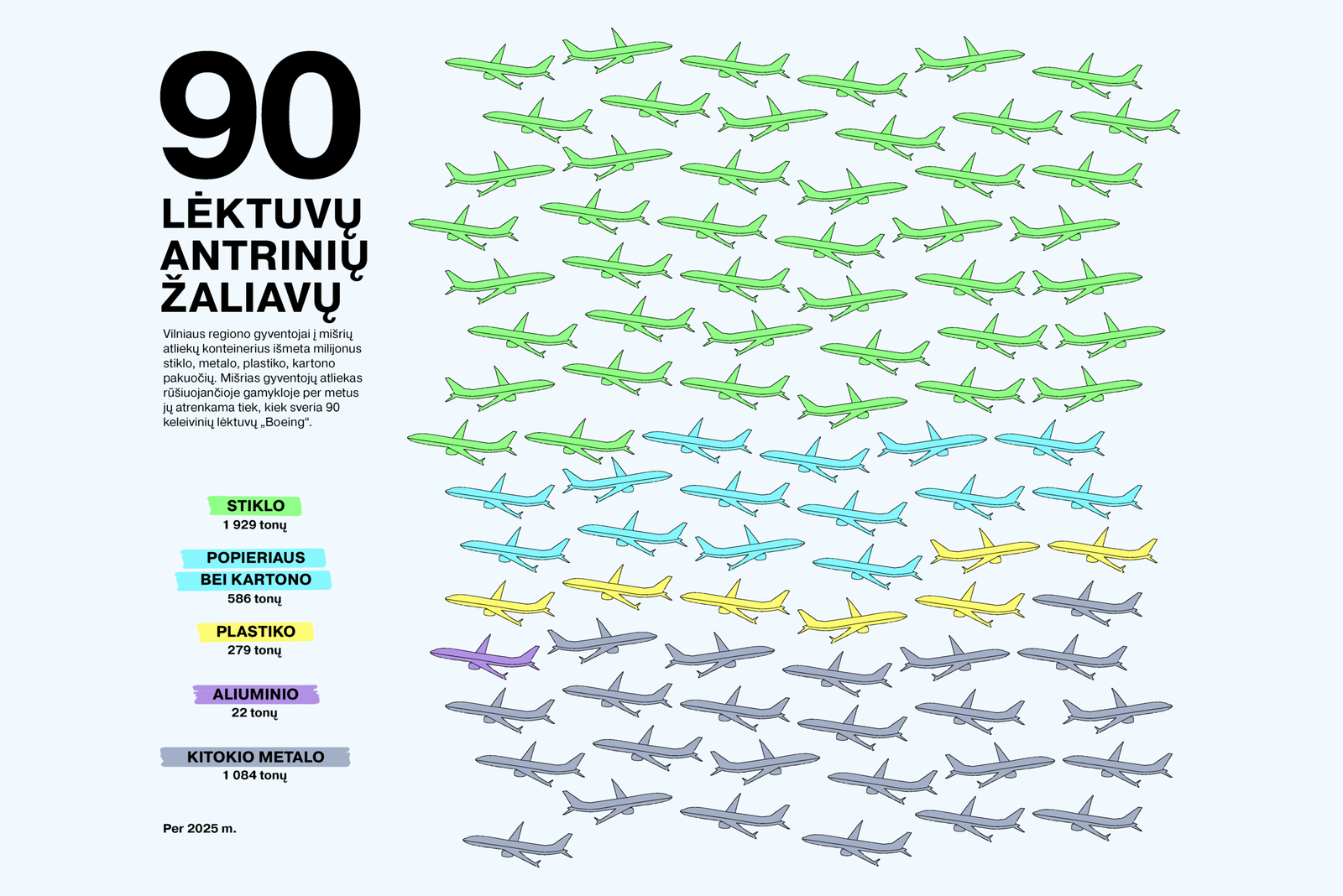
Residents of the Vilnius region discard millions of glass, metal, plastic, and cardboard packages into mixed waste containers. Last year, we recovered as much recyclable material as the weight of 90 Boeing passenger aircraft – a total of 3 900 tonnes.
Every bag is opened
“Everything that residents throw into household waste containers is sorted. Every bag is opened, and recyclable materials are separated from its contents – glass, metals, paper and cardboard, and various plastics,” says Algirdas Blazgys, CEO of Energesman.
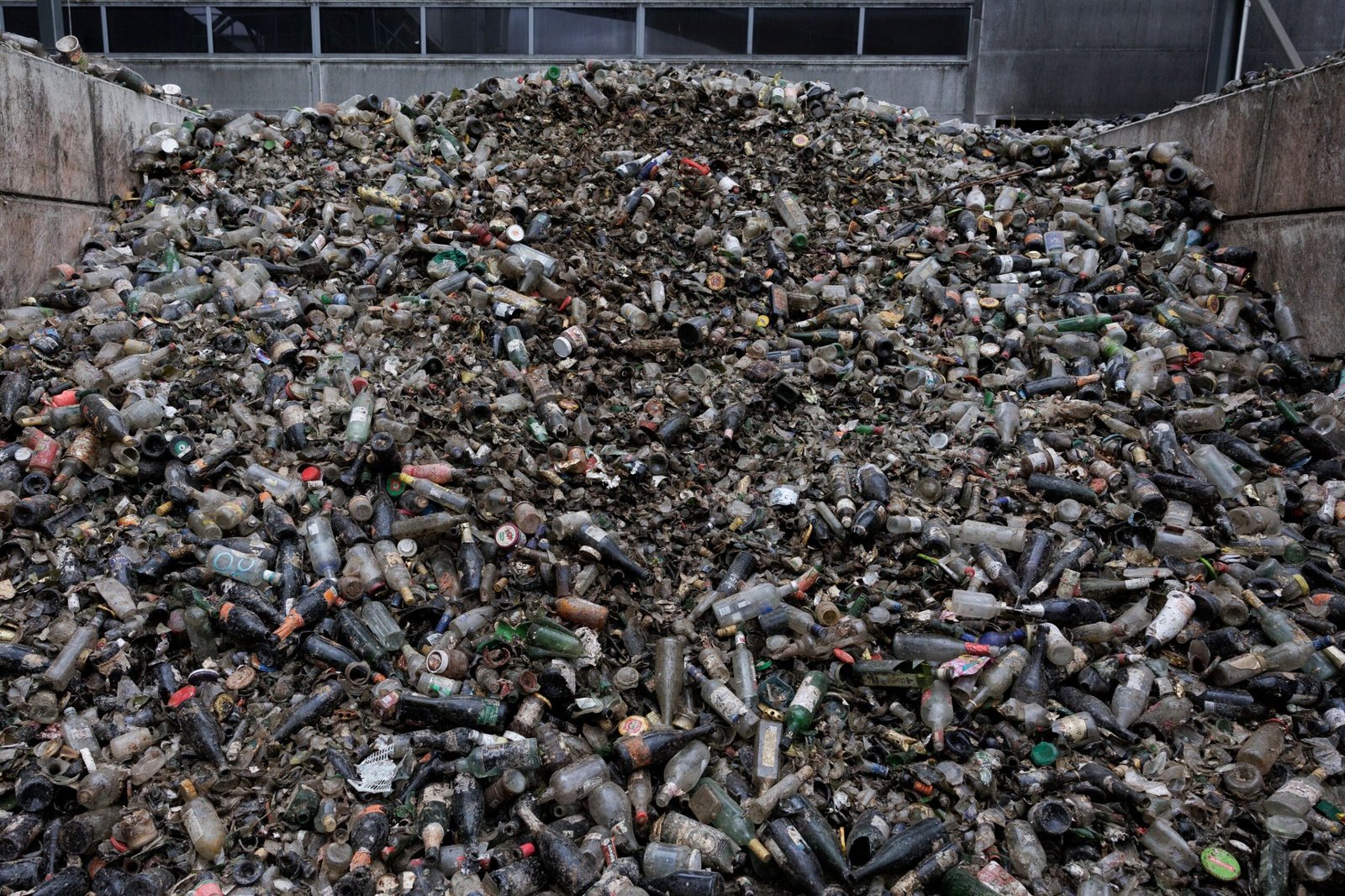
At the Vilnius Mechanical Biological Treatment (MBT) plant, we recovered 1 929 tonnes of glass packaging from household waste last year – equivalent to around 2.5 million champagne bottles or 4 million wine bottles.
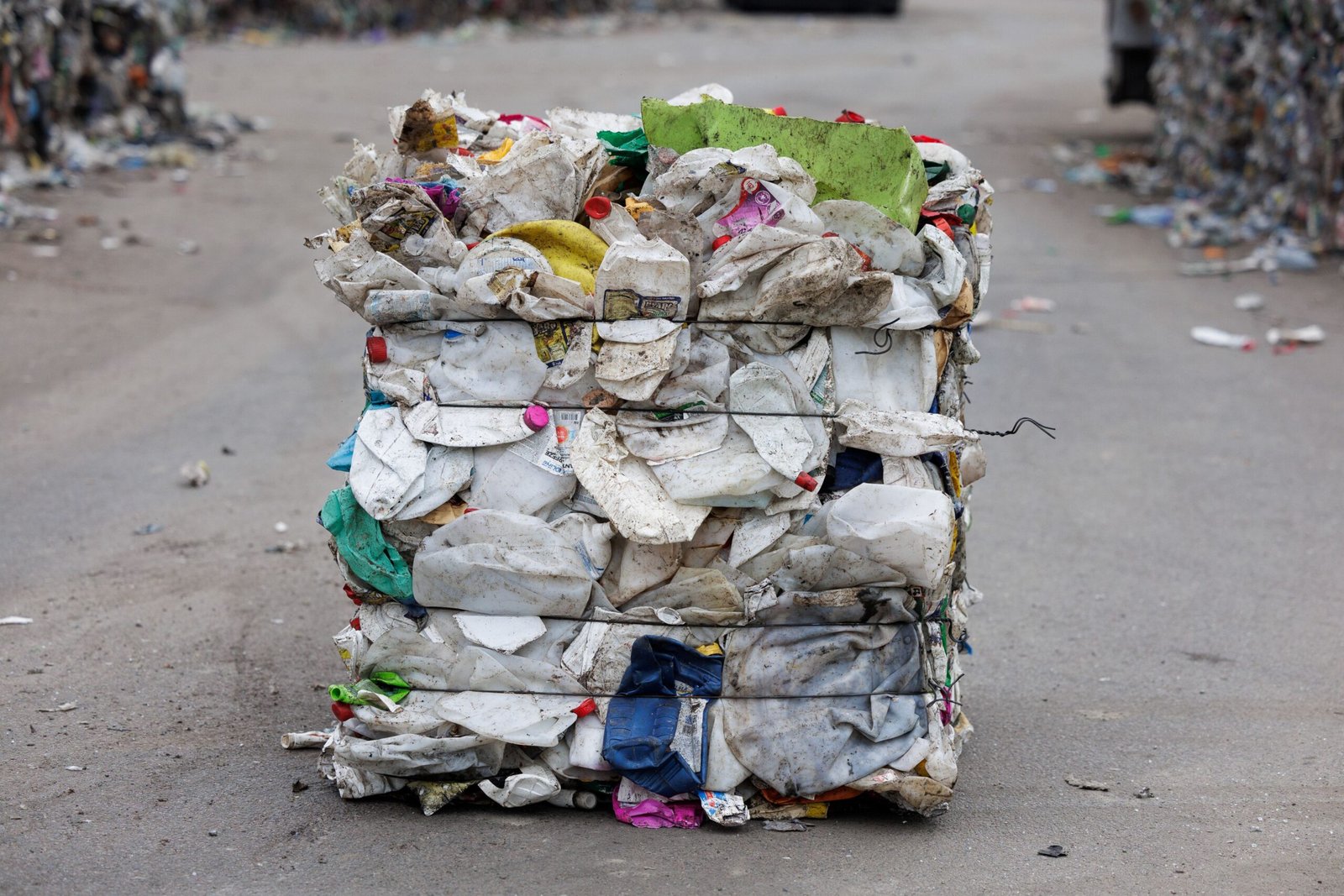
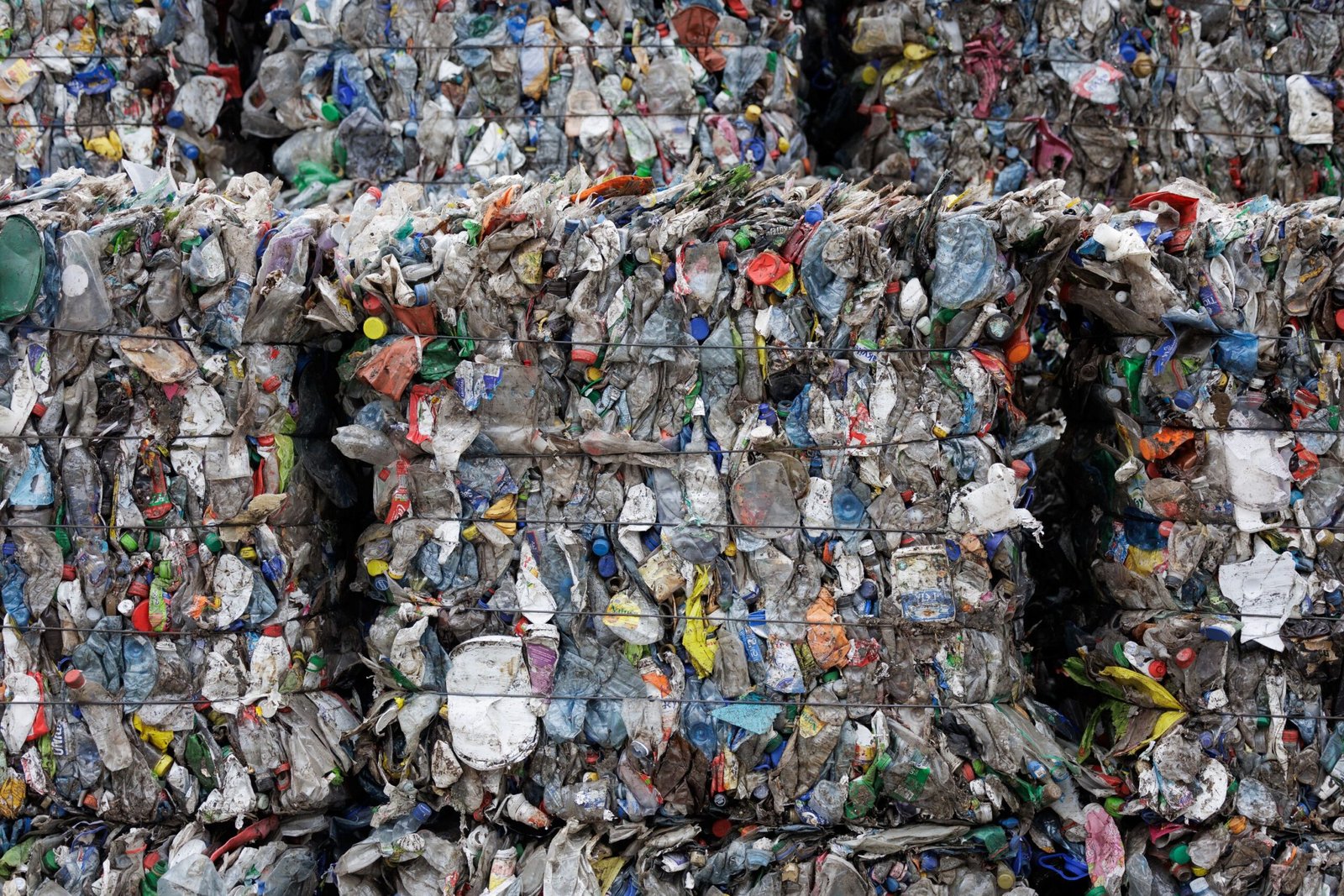
We also sent 279 tonnes of plastic for recycling. This corresponds to approximately 15 million units of plastic packaging, such as yogurt cups or milk bottles.
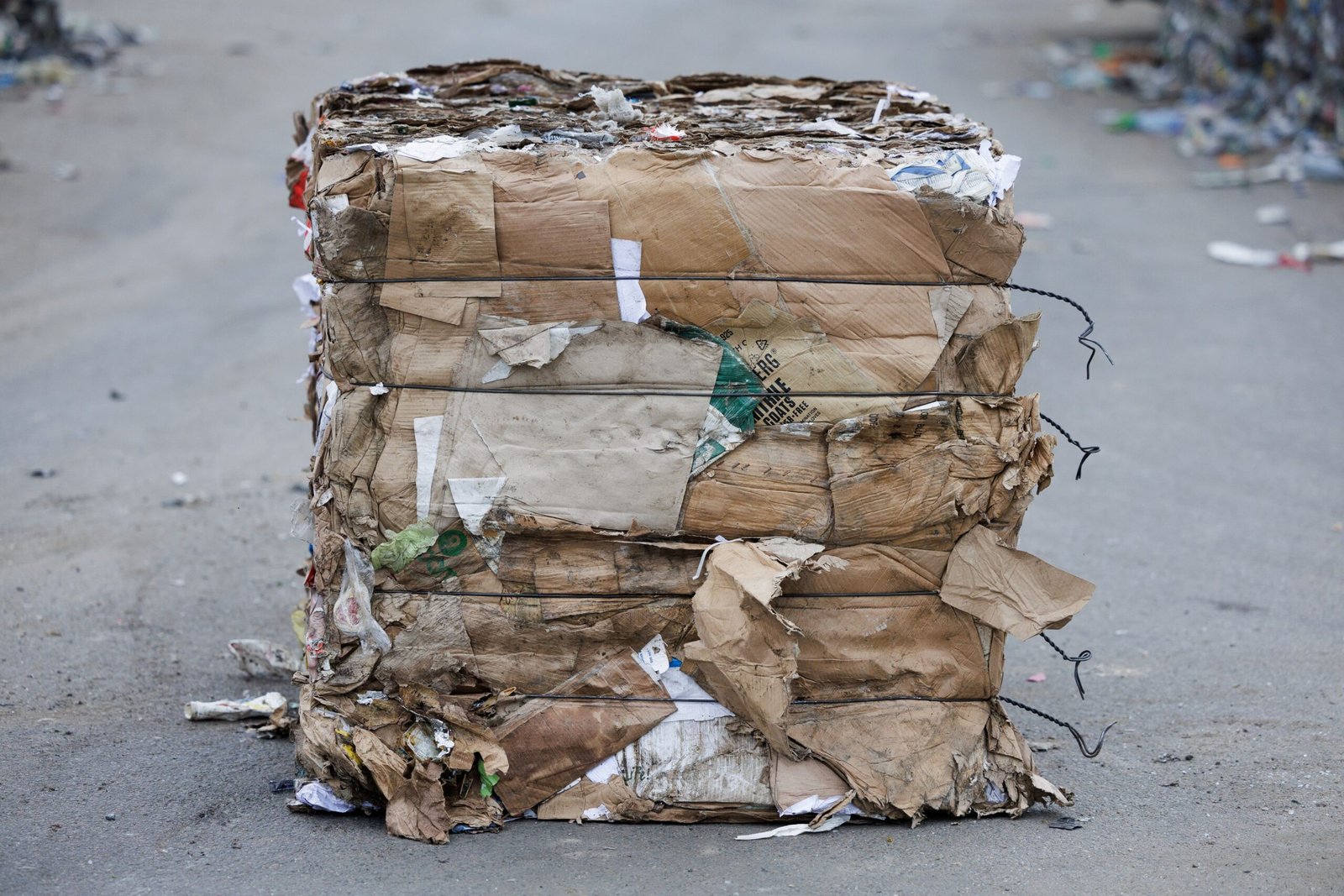
Additionally, we recovered 586 tonnes of paper and cardboard – roughly equal to 2.5 million shoeboxes.
“The amount of paper and cardboard waste is increasing every year. We associate this with the growing popularity of e-commerce, where many goods are shipped in cardboard boxes,” notes A. Blazgys.
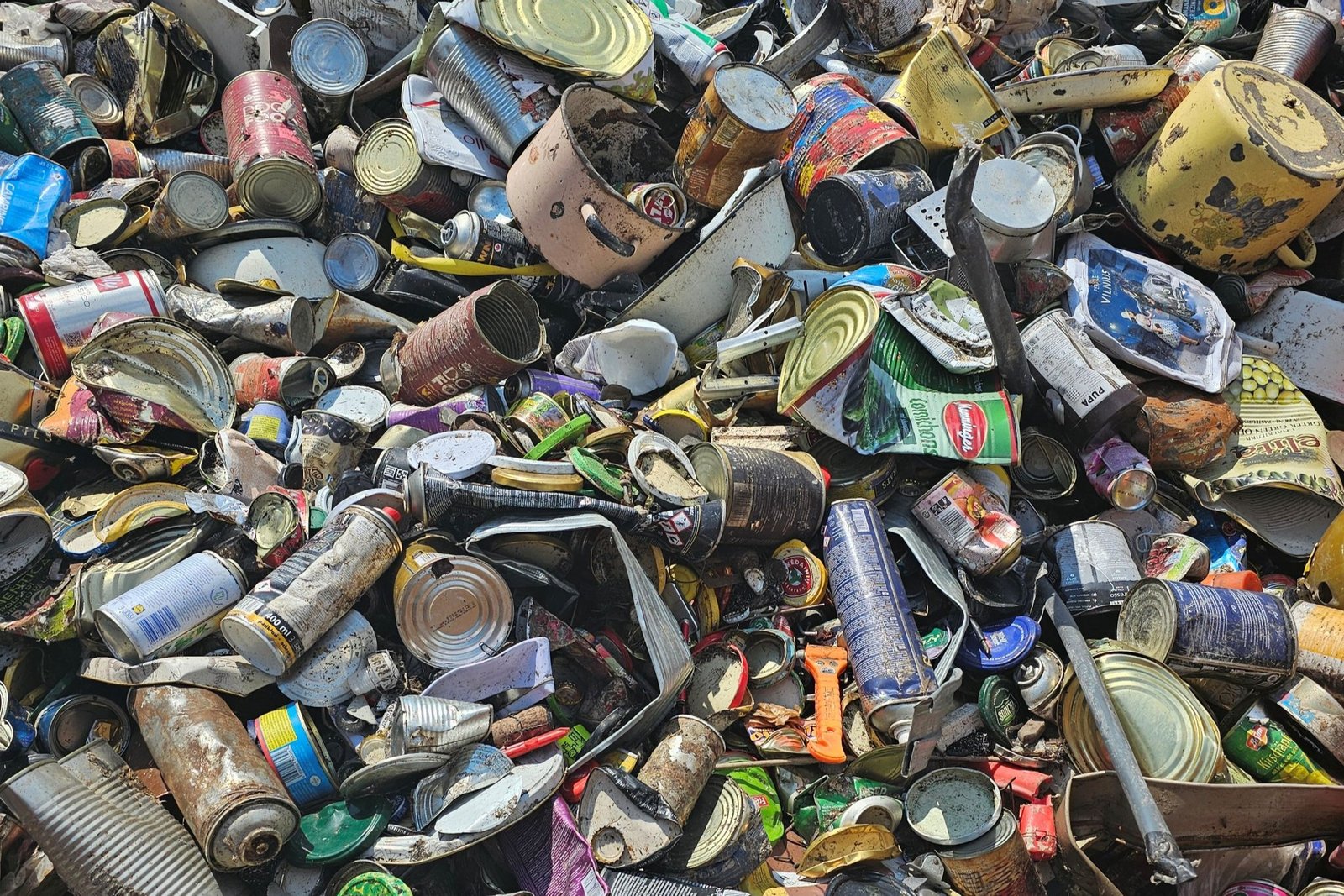
From mixed household waste, we also recovered 22 tonnes of aluminium packaging last year – about 1.5 million cans. Another 1 084 tonnes consisted of other metal waste, which was also separated from the overall waste stream and sent for recycling.
In total, we recovered 3 900 tonnes of recyclable materials – equivalent to 90 Boeing 737 passenger aircraft.
93% of waste put to use
From mixed municipal waste generated by residents of the Vilnius region, we produce a certified SRF mixture, which is delivered to the Akmenė Cement plant.
Last year, we produced 15 000 tonnes of SRF – equivalent to the weight of a 10–15 storey reinforced concrete apartment building or a medium-sized ferry operating in the Baltic Sea.
“Dried and shredded, and mixed in the right proportions, the waste from the Vilnius region that we delivered to the cement plant became part of clinker – from which cement is produced,” explains A. Blazgys.
In total, 202 000 tonnes of mixed municipal waste were delivered to the plant last year.
The majority (93%) was utilized: recyclable materials were sent for recycling, SRF became part of cement production, and other waste was used as fuel at the Vilnius combined heat and power plant.
Only around 7% of the waste that could not be used in any way was disposed of in a landfill.
Operating at a loss
Our company, Energesman UAB, as the operator of the Vilnius MBT plant, recorded a loss of EUR 0.56 million last year. The company’s revenue amounted to EUR 11.67 million.
“The loss was due to decreased revenue and increased costs incurred to ensure uninterrupted waste sorting for residents. We had to rent mobile sorting equipment and transport waste for sorting to MBT facilities in other regions when the Vilnius plant was unable to operate – all of this resulted in additional costs,” says A. Blazgys.
In total, we incurred over EUR 1 million in additional expenses last year.
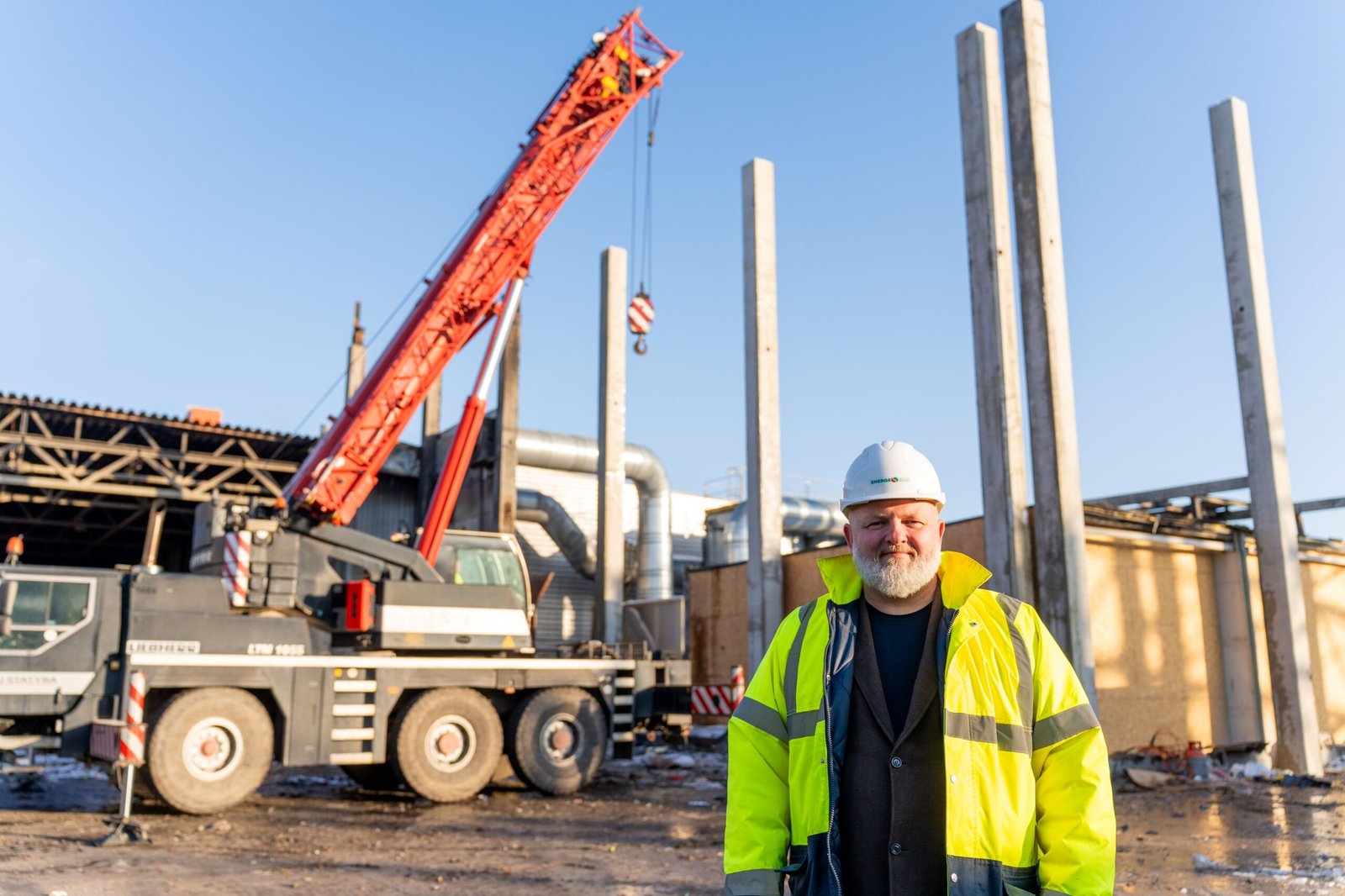
Renovation works are currently underway at the plant. New load-bearing columns have already been installed, metal beams are being mounted, and facades will be added on top.
We are investing around EUR 2 million of the company’s own funds into the renovation of the plant building. The plant was built more than 10 years ago.
The Vilnius MBT plant processes municipal waste from across Vilnius County, which includes 8 municipalities: Vilnius City and the districts of Vilnius, Trakai, Elektrėnai, Ukmergė, Švenčionys, Šalčininkai, and Širvintos.