
The Vilnius Regional Court has confirmed that the operating agreement between UAB Energesman and UAB VAATC remains in force. As a result, the court found that there was no need to impose interim protective measures. Energesman is currently preparing a lawsuit challenging VAATC’s unlawful attempt to terminate the operating agreement.
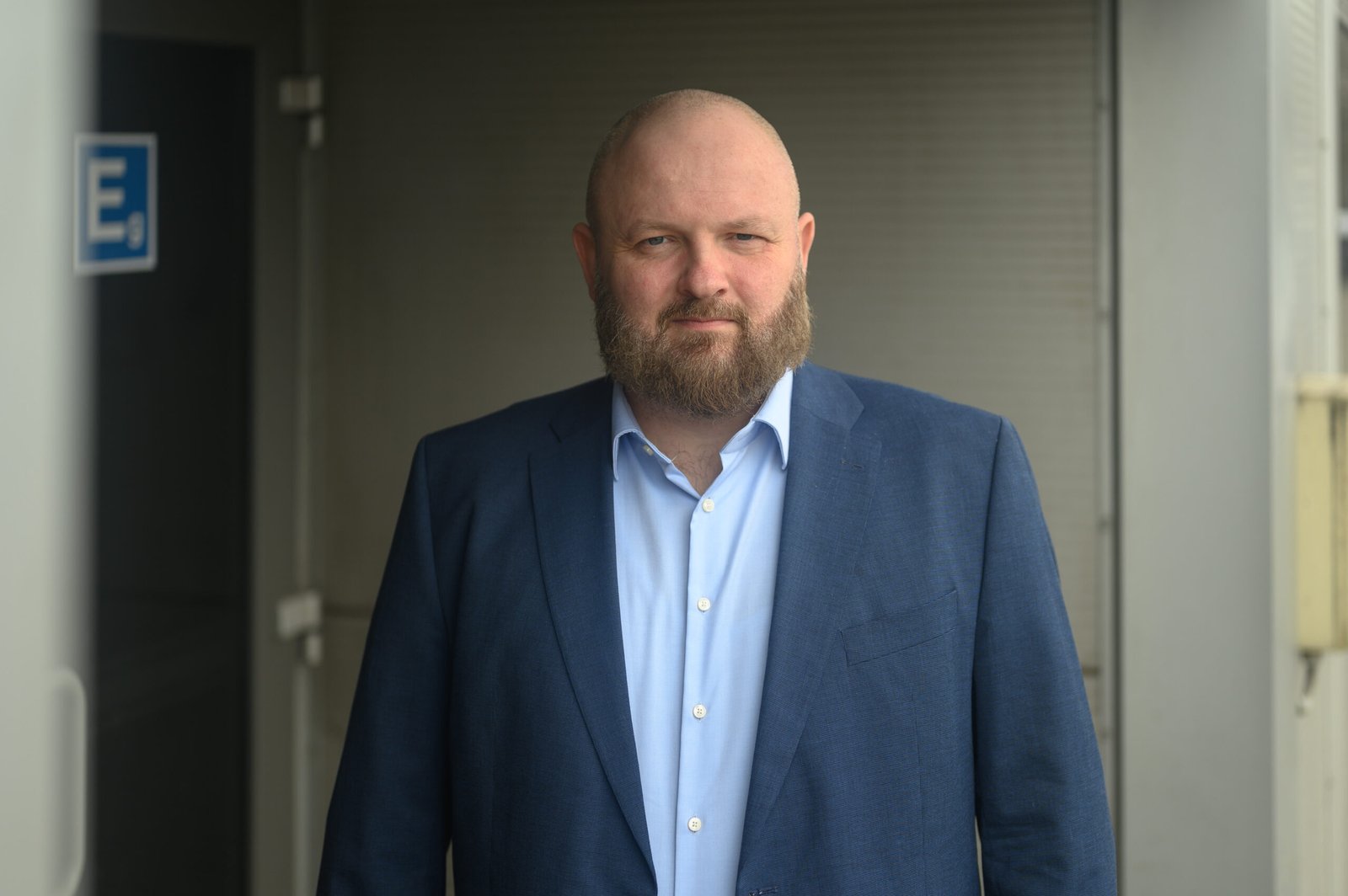
“As we have consistently stated, VAATC failed to comply with the contractual provisions when attempting to terminate the agreement without prior notice. Its attempt to take over the plant was also unlawful – VAATC acted like a bulldozer, disregarding both the contract and the law,” says Algirdas Blazgys, CEO of Energesman.
The company is preparing legal proceedings challenging the grounds for termination cited by VAATC, which it considers unfounded. Under the operating agreement, unilateral termination is only permitted in the event of a material breach of contract and only after providing 20 working days’ prior notice.
“We maintain that the reasons cited by VAATC do not constitute material breaches of the agreement, and we will prove this in court. It is clear that the people of Vilnius will ultimately bear the cost of public institutions engaging in litigation and, we expect, of compensating the damage caused,” says A. Blazgys.
Energesman is also preparing separate legal action challenging the termination of the plant modernisation agreement. The agreement was signed after Energesman won the international public procurement procedure launched by VAATC.
Under the agreement, VAATC was required to make the first payment by 26 June. However, the payment was never made, despite this being a contractual obligation. Instead, on 10 July, VAATC announced that it was terminating the agreement unilaterally.
“We are fully convinced that the modernisation agreement was terminated unlawfully, although this will ultimately be determined by the court. Once again, it will be the residents who will end up paying the price,” says A. Blazgys.