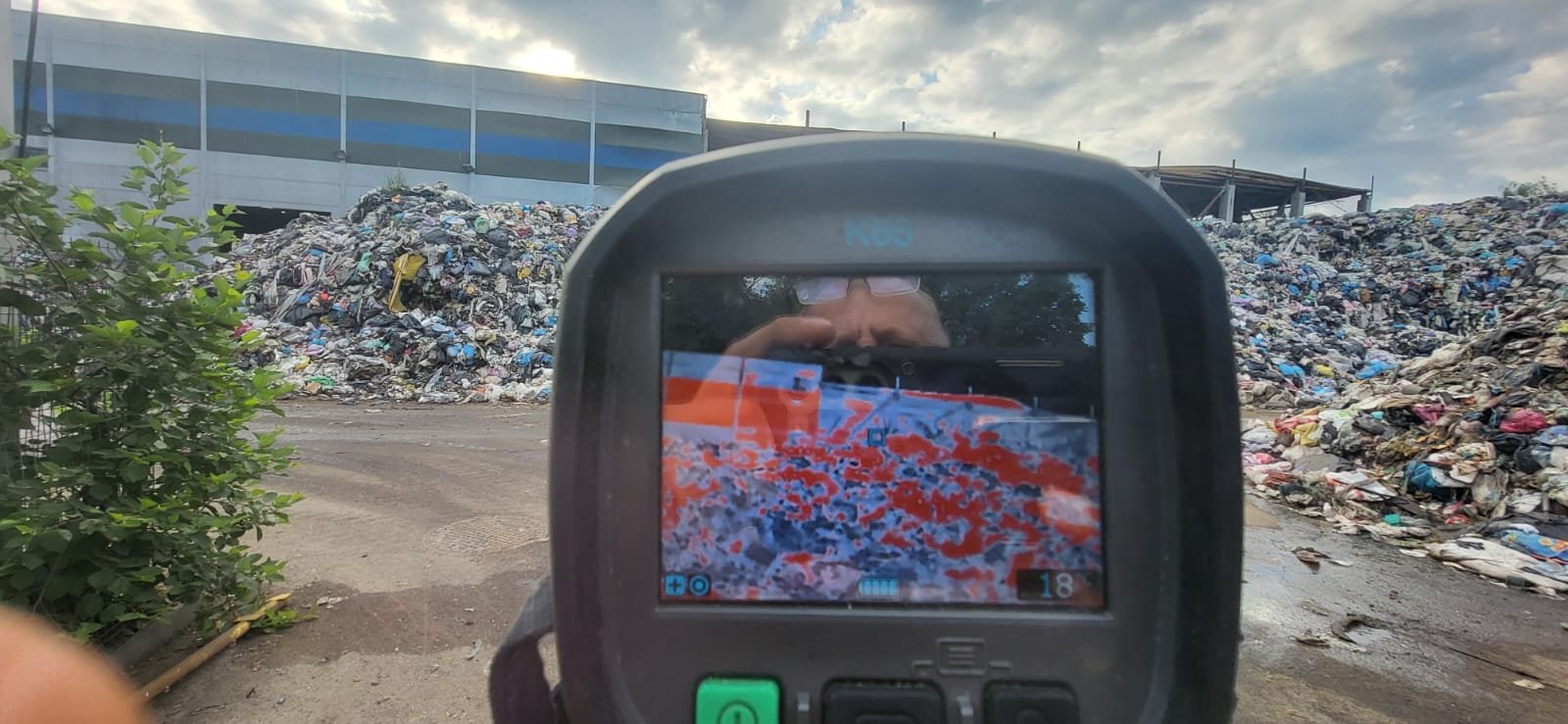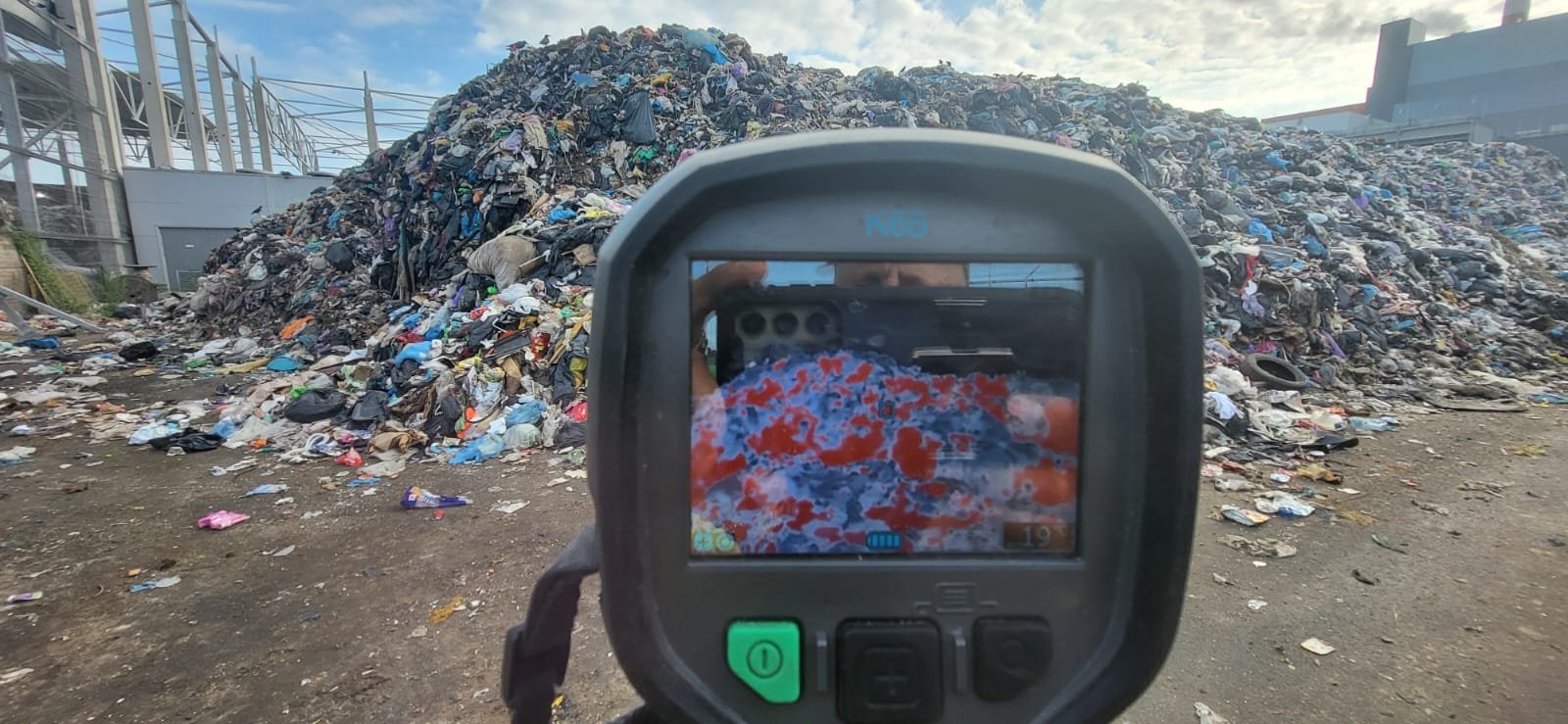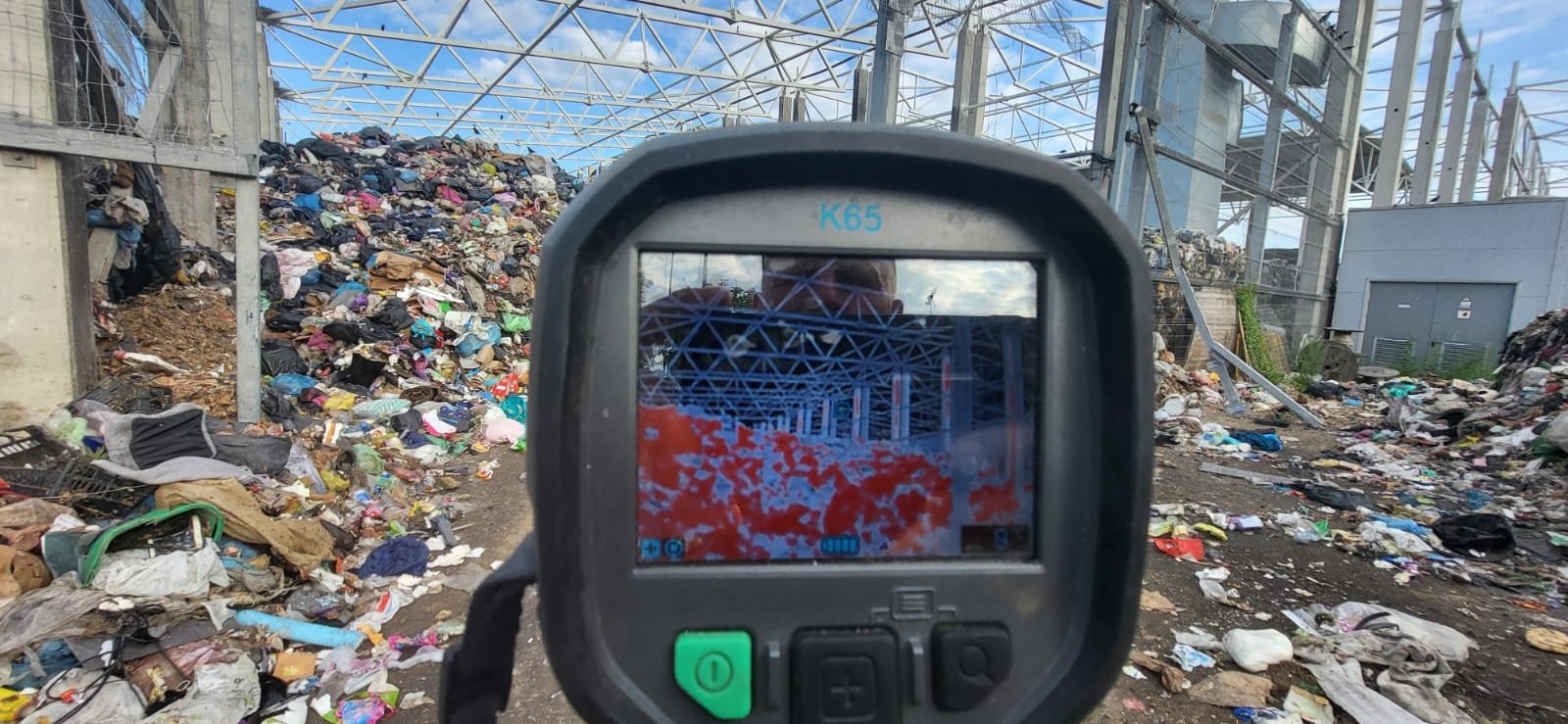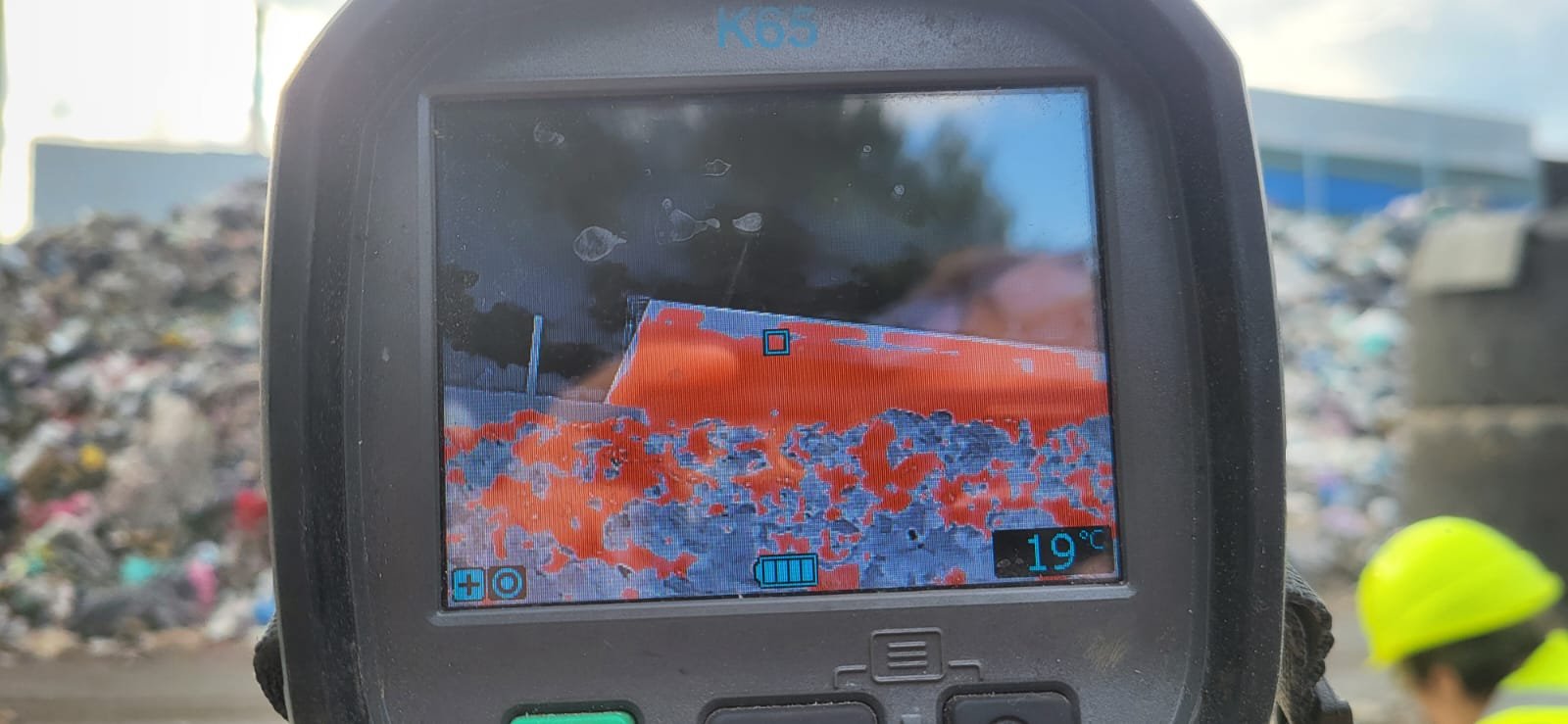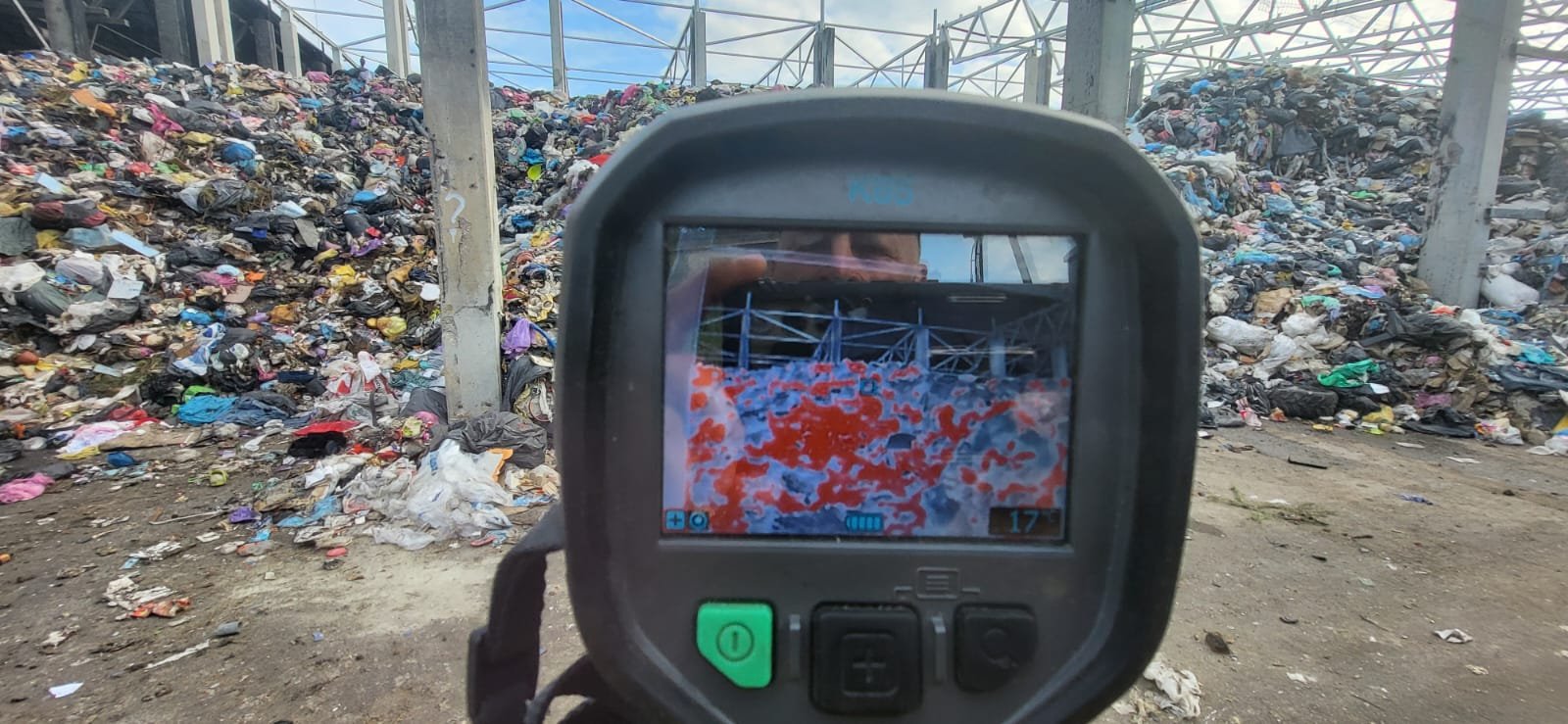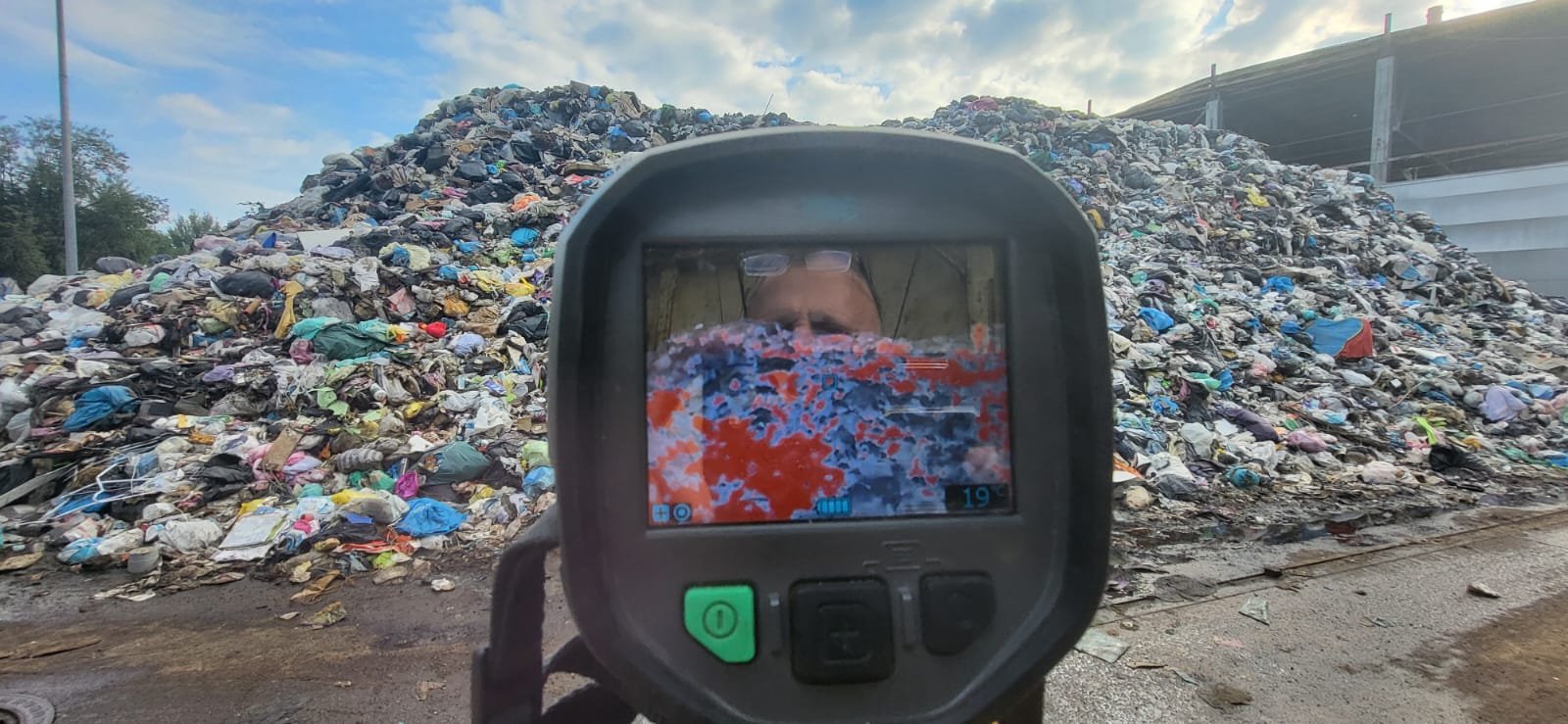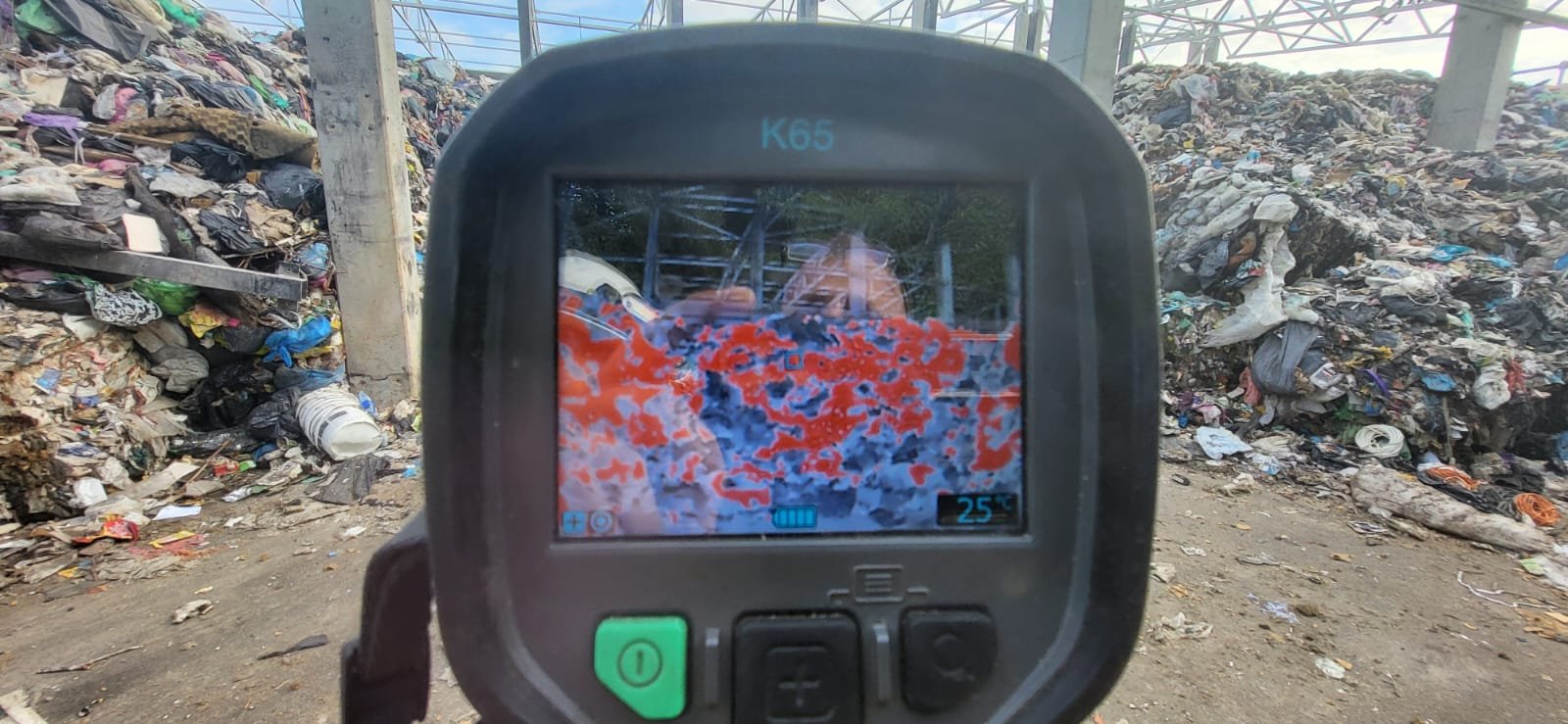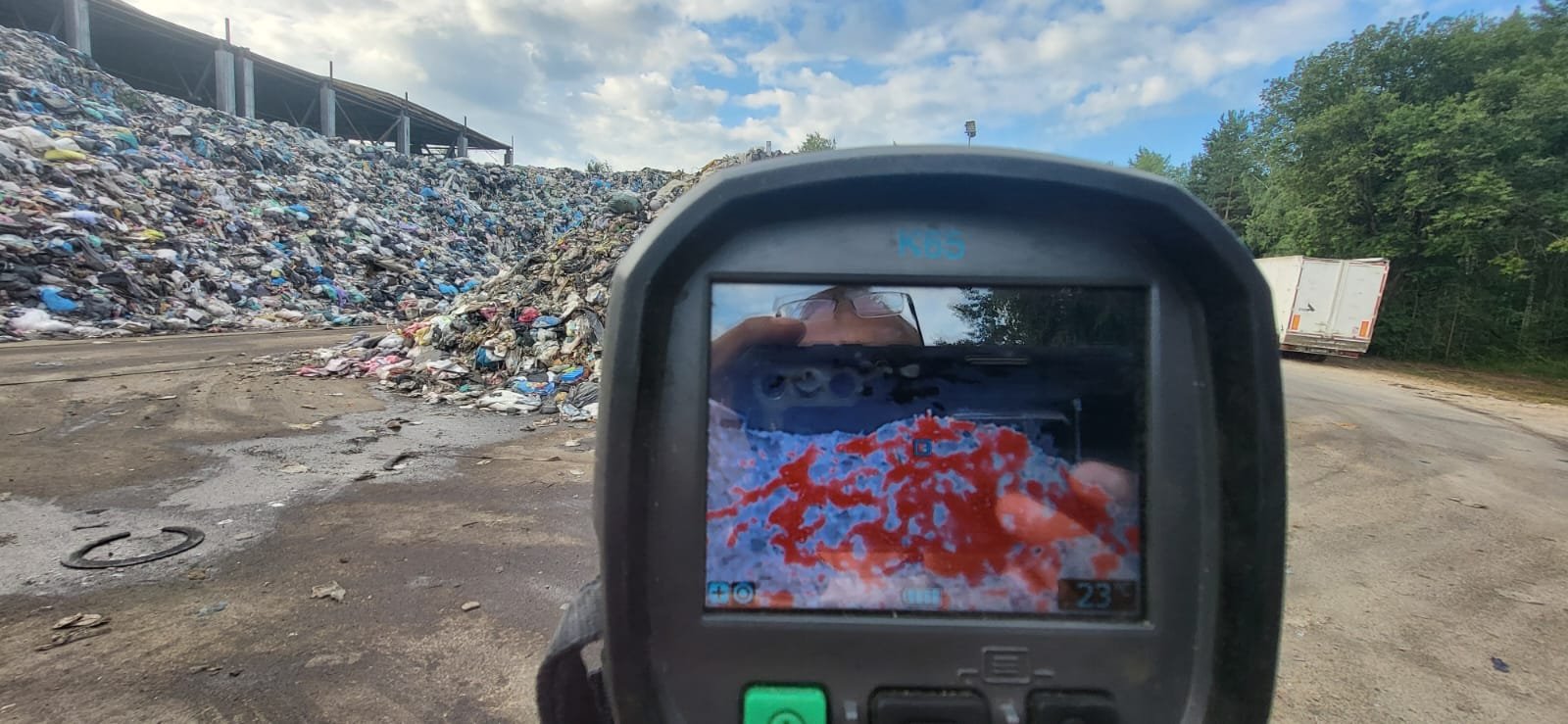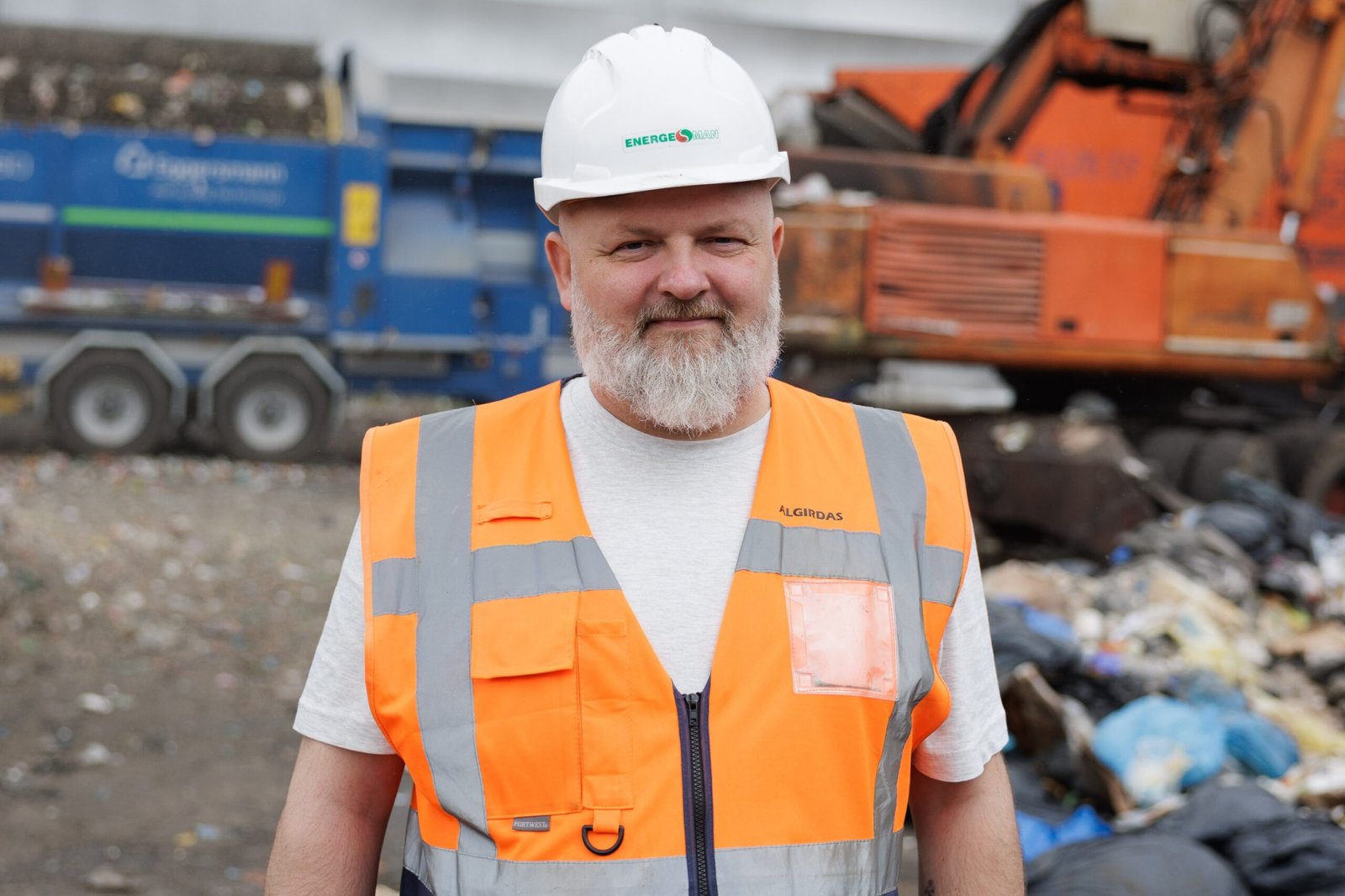
Mixed municipal waste continues to be delivered to the Vilnius Regional Mixed Waste Sorting Plant, where it is being received and processed by our employees. Under the operating agreement, UAB “VAATC” was required to provide 20 business days’ prior notice before terminating the contract. It failed to do so. According to preliminary estimates, the disruption caused in the waste management sector will result in losses exceeding EUR 50 million, costs that will ultimately be borne by residents.

Waste reception continues

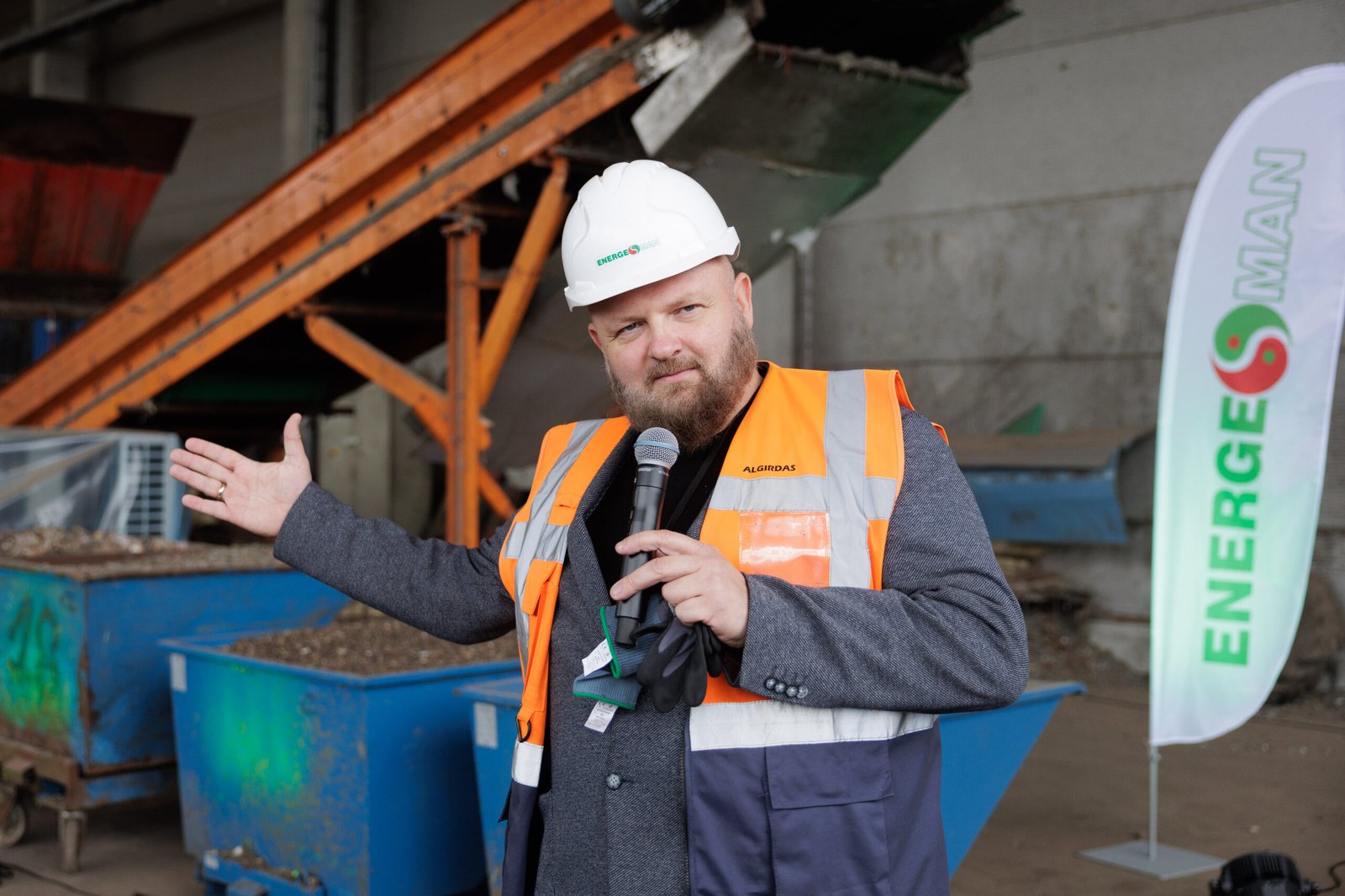
“Waste has continued to be delivered to the plant throughout the weekend and today, and our employees remain at work,” says Algirdas Blazgys, CEO of our company.

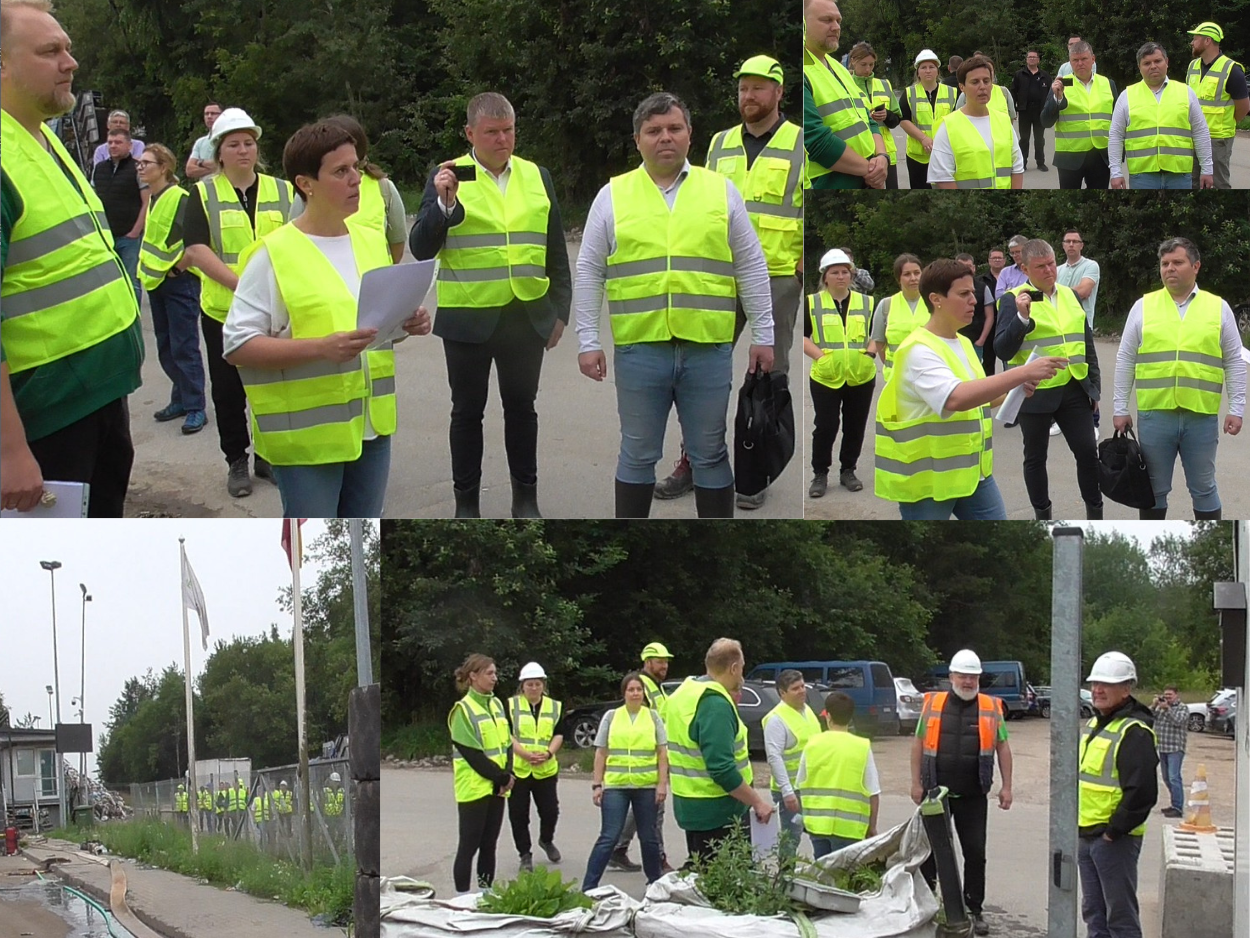
During the weekend, bailiffs visited the facility to document the ongoing waste reception and the current situation. They were invited both by us and by VAATC.

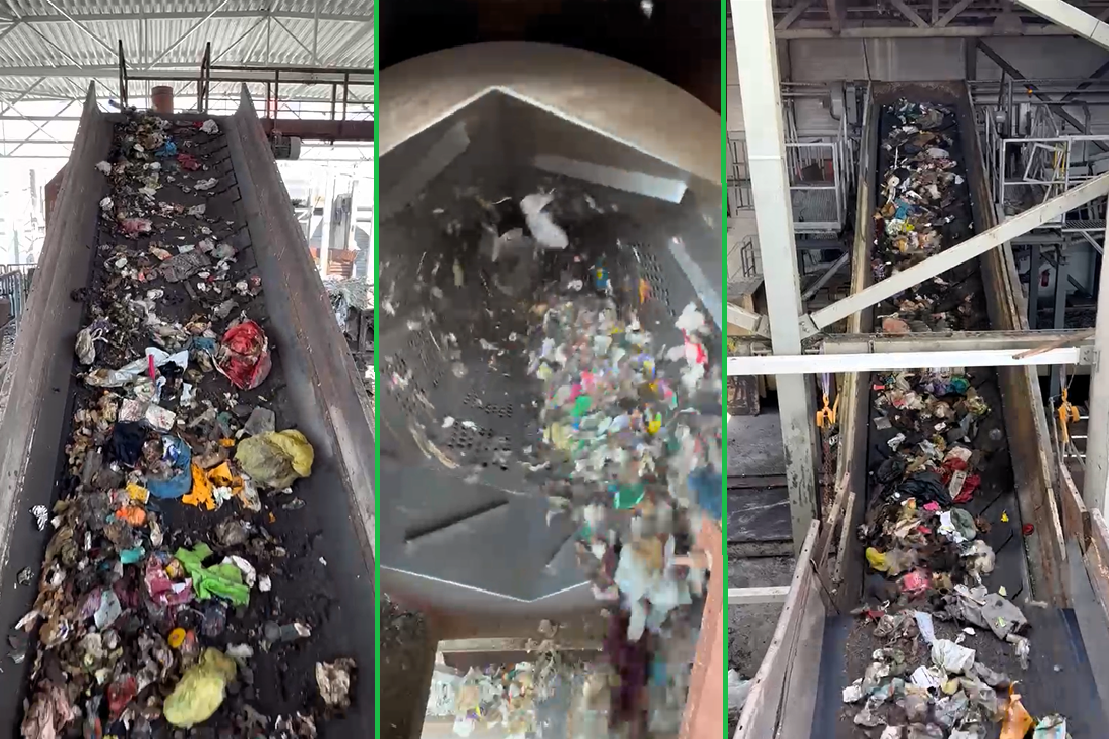
Waste reception and treatment continue uninterrupted. Approximately 30 employees work in each shift, with operations running in two shifts every day. Waste is accepted daily from 6:00 a.m. until 11:00 p.m.

VAATC failed to comply with the required notice period

Under the plant operating agreement, VAATC was obliged to provide 20 business days’ notice before terminating the contract unilaterally. During that period, the operator should have been given an opportunity to remedy any alleged deficiencies.

“We never received any notice of the intended contract termination,” emphasises A. Blazgys.

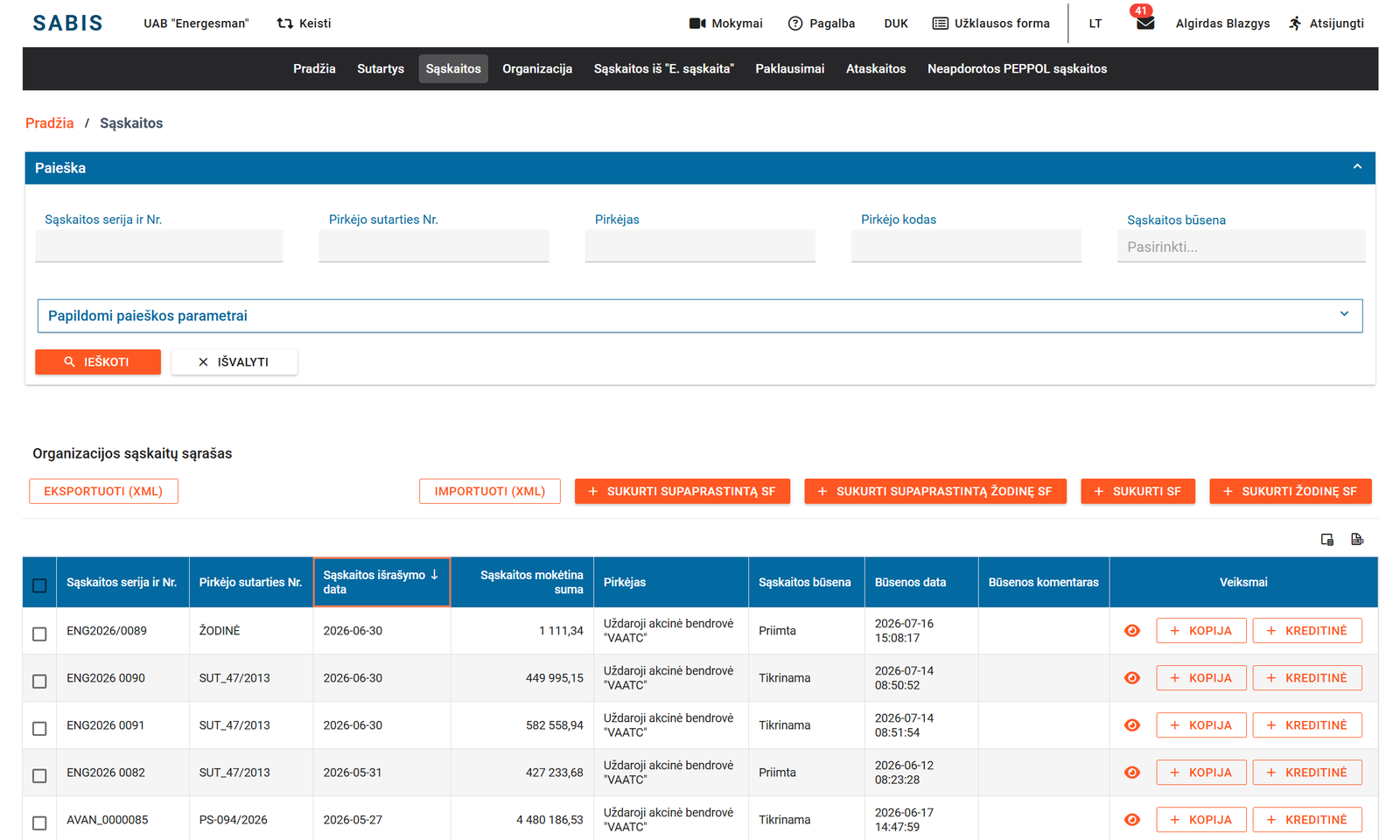
On the contrary, VAATC formally accepted the services we provided in both May and June as satisfactory. Invoices were issued for these services in accordance with the agreed acceptance and delivery acts.

“However, VAATC has still not paid for the services we provided in June, while payment for May services has only been made partially, despite the Lithuanian Law on Public Procurement requiring contracting authorities to settle invoices within no more than 30 days,” says A. Blazgys.

As of 13 July, VAATC still owed EUR 220,000 for services provided in May, although payment was due by 30 June.

VAATC also failed to fulfil its obligations under the signed plant modernisation agreement by failing to pay EUR 4.4 million by 26 June, funds intended as advance payments to equipment manufacturers.

The damage will affect both the region and Lithuania

Preliminary estimates indicate that the disruption caused by VAATC will cost residents of the Vilnius region more than EUR 50 million.

Currently, we process mixed municipal waste at EUR 53.81 per tonne (excluding VAT), whereas other waste treatment providers charge approximately EUR 120 per tonne (excluding VAT). Based on an annual volume of 220,000 tonnes, the cost of waste treatment in the Vilnius region will increase by EUR 14.56 million.

Waste-to-energy costs will also increase. We currently pay EUR 32.50 per tonne for waste incineration at the Vilnius Combined Heat and Power Plant. If VAATC assumes the contract, the price regulated by the National Energy Regulatory Council (VERT) of EUR 48.80 per tonne would apply. With approximately 125,000 tonnes incinerated annually, this would add EUR 2.04 million in yearly costs.

The planned modernisation of the plant will become EUR 15 million more expensive because the already approved European Union funding and our commitment to finance the investment during the remaining operating period will no longer apply.

Food waste treatment costs will also rise significantly. We currently process food waste for EUR 15 per tonne, while residents in the Kaunas region pay EUR 138.62 per tonne. Processing approximately 12,000 tonnes of food waste annually would therefore cost an additional EUR 1.48 million each year.

Our company is the only certified producer of Solid Recovered Fuel (SRF) in Lithuania, supplying SRF produced from waste to AB Akmenės cementas.

“Both the certification and the supply contract belong to us, not to VAATC,” notes A. Blazgys.

Without our operations, the waste required for SRF production would instead be disposed of in landfill, generating an additional EUR 2.1 million in annual costs.

This would also worsen air quality for residents living near the Kazokiškės landfill and negatively affect Lithuania’s environmental performance, potentially exposing the country to penalties from the European Commission.

Recycling rates for textiles and plastics would also decline, as our company is currently developing new technologies for recycling these waste streams.

The decision took less than an hour

“Based on our correspondence with VAATC, we can see that Friday’s VAATC Board meeting lasted less than an hour. The termination grounds sent to us were purely formal and lacked any specific justification. We asked to attend the meeting and present our position, but this request was rejected. Can a decision with such significant consequences for Lithuania’s entire waste management system really be made without discussion or proper assessment?” asks A. Blazgys.

Until now, any decision within VAATC regarding documents, requests or proposals typically took a considerable amount of time.

The Vilnius City Municipality owns 76.51% of VAATC’s shares, while the remaining shares are held by other municipalities of the Vilnius region.

The decision adopted today by the Vilnius Regional Waste Management Centre (UAB VAATC) to terminate the operating agreement for the Vilnius Regional Mixed Municipal Waste Sorting Facility with our company is unlawful, non-transparent, and contrary to the principles of fair competition. We will challenge this decision in court.

“No consideration is being given to the interests of residents. It is already clear that waste management costs for households in the Vilnius region will increase, while the restoration of the waste sorting facility will be delayed by several more years,” says Algirdas Blazgys, CEO of our company.

We learned about the decision, adopted by the VAATC Board on the afternoon of Friday, 10 July, through the media.

Once we receive the official documentation, we will undoubtedly challenge the decision before the court.

“We have fulfilled the operating agreement properly and have been managing mixed municipal waste from the Vilnius region for nearly ten years. We regard this contract termination as an act of unfair competition and preferential treatment of companies that are more politically favoured,” Blazgys emphasises.

We later received a notification from VAATC stating that the waste management services would be transferred to UAB Ecoservice.

“According to our calculations, waste management costs for residents will increase by at least EUR 33.5 per household per year. This is because we have been providing the service at EUR 53 per tonne, whereas other waste management companies seeking to take over the service are currently charging around EUR 120 per tonne,” Blazgys notes.

Should the court rule that the decision was unlawful, residents will ultimately also bear the cost of any damages awarded.

The Vilnius City Municipality owns 76.51% of VAATC’s shares, while the remaining shares are held by other municipalities of the Vilnius region.

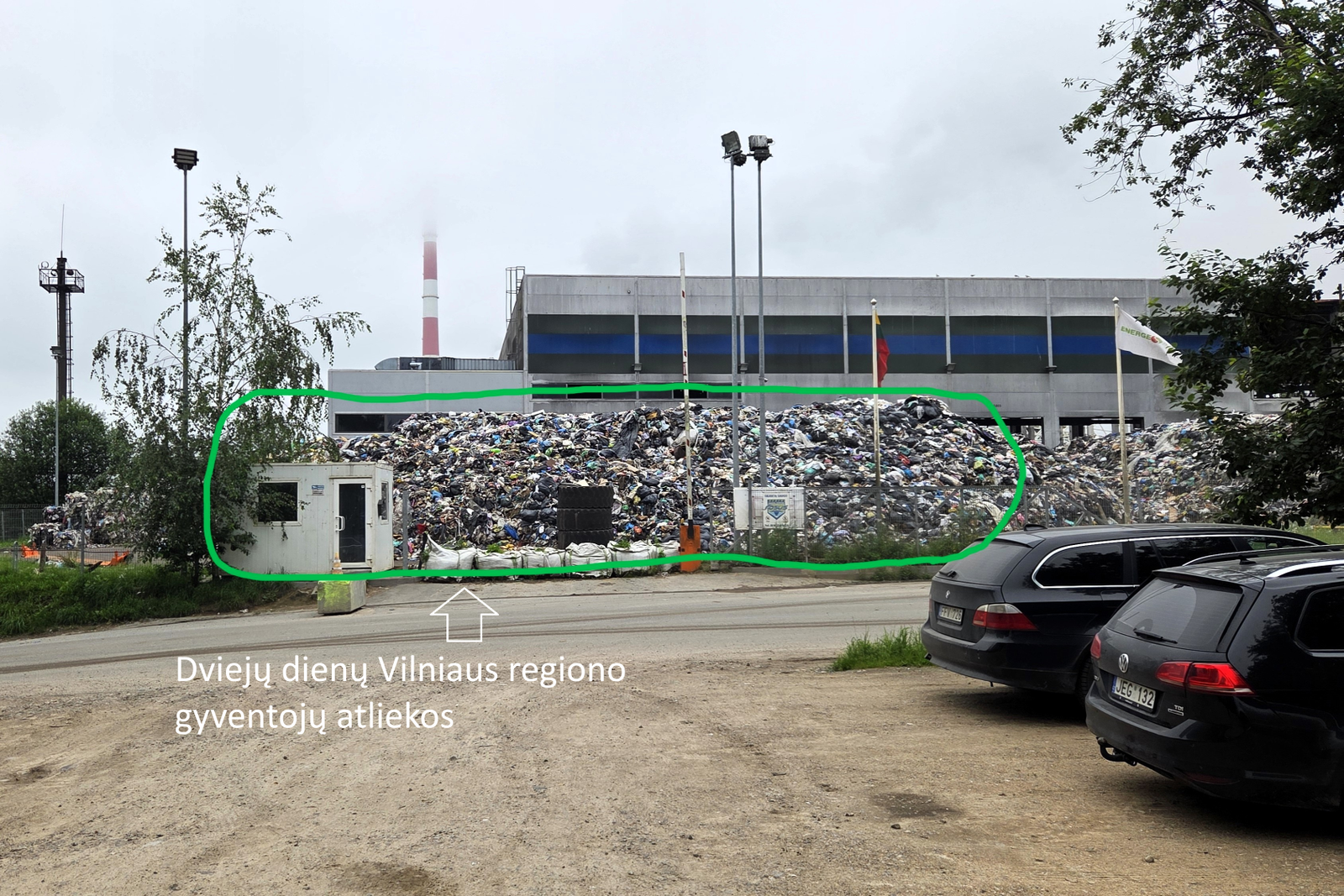
The Vilnius Regional Mixed Municipal Waste Sorting Facility, operated by our company, continues to accept waste, although at a reduced pace due to the temporary suspension of waste intake by the Vilnius Combined Heat and Power (CHP) Plant. At the same time, the reconstruction of the facility and the installation of a new sorting line have been placed on hold while we continue to seek a constructive solution.

Waste is being accepted and stored

“We are currently accepting six waste collection vehicles per hour. This intake rate has been set by the Emergency Operations Centre, and we are fully complying with this schedule,” says Algirdas Blazgys, CEO of our company.

Waste is being accepted at a reduced pace because, as every summer, the Vilnius CHP Plant has reduced its intake of waste for energy recovery and is currently not accepting any waste from the Vilnius sorting facility.

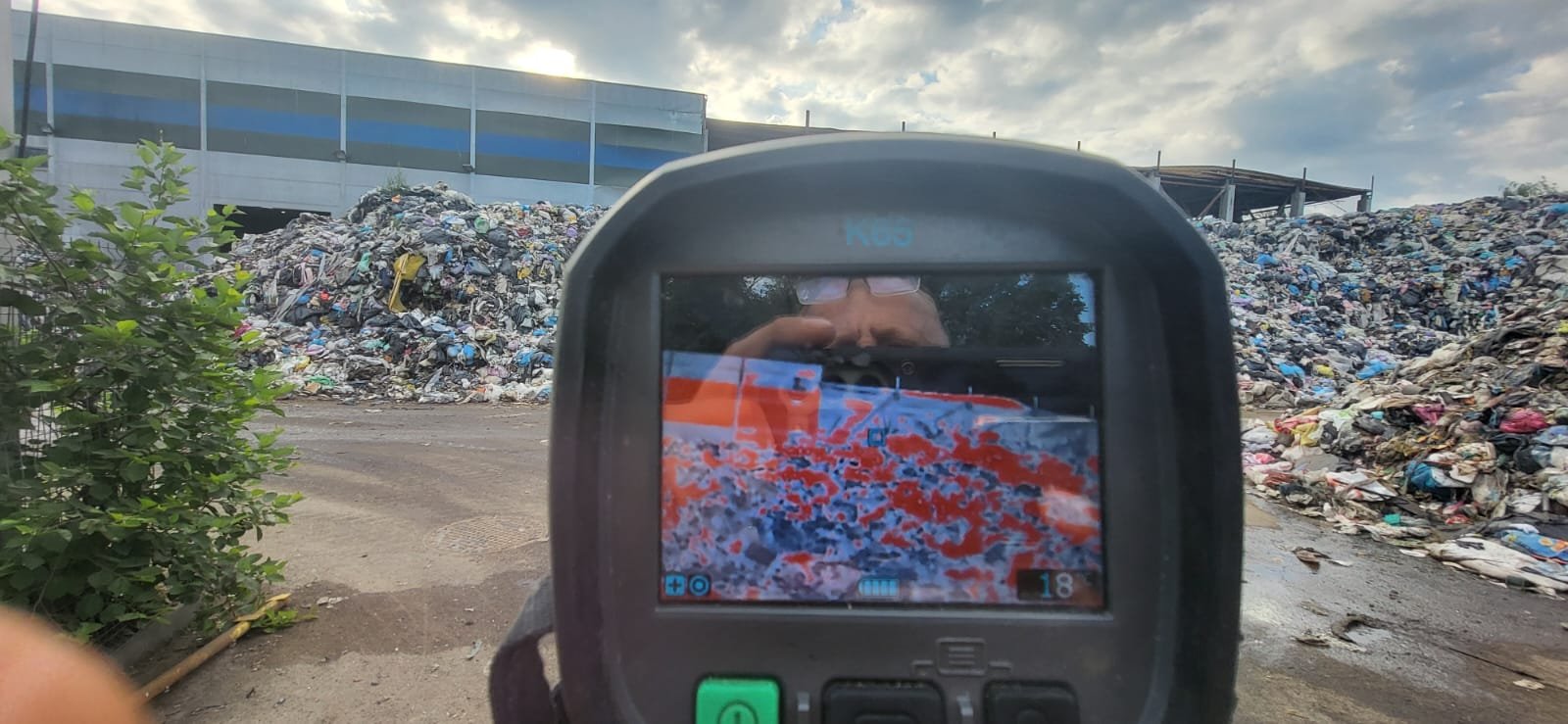
The sorted waste is being stored within the facility’s premises. The amount of waste currently stored does not exceed the limit of 24,000 tonnes established under the Integrated Pollution Prevention and Control (IPPC) permit.

“The amount of waste stored at our site fully complies with the permitted limits. Therefore, the information circulating publicly is inaccurate,” Blazgys emphasises.

According to Blazgys, residents are also being unnecessarily alarmed about the risk of another fire. The fire that occurred at the facility last spring was not caused by excessive volumes of waste but by an external object that had been discarded alongside the waste and subsequently ignited. This was confirmed by the Fire Investigation Centre.

It should also be noted that, under Lithuanian law, municipalities are responsible for ensuring that residents sort their waste properly and do not dispose of combustible items together with mixed municipal waste.

Reconstruction of the facility has been suspended

“We can resolve the issue of accumulated waste relatively quickly. All that is needed is an agreement with the Vilnius CHP Plant to resume accepting our waste for energy recovery. The greater challenge is rebuilding the facility,” Blazgys says.

In early May, the Vilnius District Court approved a settlement agreement between UAB VAATC, the owner of the sorting facility, and our company as operator. Under the agreement, we committed to investing EUR 10 million in rebuilding a modern waste sorting facility.

By the end of this year, a new robotic sorting line was to be installed and the facility fully reconstructed. This would have become the most advanced mixed municipal waste sorting facility in Lithuania and across the Baltic States, without increasing waste management costs for residents, as the investment would be financed by the private operator.

“However, these investments have now been put on hold. We have formally notified VAATC that it is failing to fulfil its contractual obligations, and we are therefore considering terminating the agreement. Nevertheless, until the very last moment, we remain committed to finding a constructive solution,” says Blazgys. 

In December 2025, VAATC launched an international public procurement procedure for the installation of a new waste sorting line as part of the facility’s modernisation. Three bidders submitted proposals.

In April this year, VAATC completed the evaluation of the bids and declared our company, Energesman, the winner after we submitted the lowest bid of EUR 11.75 million. The second bidder offered EUR 15.55 million, while the third bidder proposed EUR 15.74 million.

On 27 May, VAATC and our company signed the public procurement contract under which we committed to designing, manufacturing and installing a modern mixed municipal waste sorting line at the Vilnius MBA facility by the end of this year and transferring ownership of the equipment to VAATC.

Under the contract, VAATC was required to make the first payment of EUR 4.4 million by 26 June to cover advance payments to equipment manufacturers.

“As of today, 10 July, we have not received any payments. We remain in intensive discussions and still hope that a positive agreement can be reached so that the facility can be rebuilt on time. Fourteen months have already passed since the fire, and from a business perspective, it is difficult to understand why the process has taken so long,” Blazgys emphasises.

Residents would face higher waste management costs

If no agreement is reached, the reconstruction of the waste sorting facility would be postponed indefinitely, as the public procurement process would have to be repeated.

Based on the prices submitted by the other bidders, the procurement of new equipment alone would cost at least EUR 4 million more. This would translate into approximately EUR 9.5 per household across the Vilnius region.

“Waste management costs for residents would also increase. According to our calculations, households would pay at least EUR 33.5 more per year. This is because we currently provide waste management services at EUR 53 per tonne, whereas other operators interested in taking over the service are currently charging around EUR 120 per tonne,” Blazgys notes.

Last year, we processed and sorted 202,000 tonnes of mixed municipal waste at the facility. Most of the waste (93%) was recovered: recyclable materials were separated and sent for recycling, solid recovered fuel (SRF) produced from waste was supplied to a cement plant, and the remaining waste was used as fuel at the Vilnius CHP Plant.

The Vilnius MBA facility was built more than ten years ago. It processes municipal waste collected across the entire Vilnius region, which comprises eight municipalities: the City of Vilnius and the district municipalities of Vilnius, Trakai, Elektrėnai, Ukmergė, Švenčionys, Šalčininkai and Širvintos.

Collecting plastic waste is only part of the recycling challenge – innovative solutions are needed to transform it into high-quality secondary raw material. To achieve this, we have launched a new research project in partnership with the Centre for Physical Sciences and Technology (FTMC).

“Our goal is to improve the quality of recycled plastics so that they can replace a larger share of virgin materials. To do this, we are exploring new technological solutions that can enhance plastic properties during the recycling process itself,” says Lukas Razgūnas, Head of Technology Development at our company.

The project is led by Dr Genrik Mordas of FTMC. The research team will investigate how laser light can be used to break down microscopic impurities present in plastic. The aim is to reduce their negative impact on the quality of the final recycled material.

The research focuses on low-density polyethylene (LDPE) selected from our recycling facility. LDPE is commonly used to manufacture fruit and vegetable bags, garbage bags, packaging materials, and greenhouse films. Improving the quality of this recycled material could significantly expand its potential applications in new products.

Today, achieving high-quality recycled plastics often requires additional additives or limiting the proportion of recycled content in the final product. Our objective is to help industry increase the use of recycled raw materials, reduce the need for chemical additives, and maintain high product quality at the same time.

As noted by Algirdas Blazgys, CEO of our company, research projects like this contribute to the development of green technologies and provide a foundation for the growth of an innovation-driven economy in our country.

2+2 million EUR – that is the amount of damage the fire caused to the plant building and equipment. We will compensate this amount in full. And not only that – in total, we will cover around EUR 10 million in compensation and investments.

The value of the fire damage was assessed by independent experts hired by the Vilnius Regional Waste Management Centre (VAATC), and similar loss estimates were calculated by our own specialists. The settlement agreement regarding compensation for the damage and the conditions for modernising the plant was approved by the Vilnius District Court.

“We will compensate for the damage to the plant building and equipment, and we will also cover the majority of future investments in modern equipment, as we take our operational commitments seriously. Our shared goal is to create an advanced waste sorting facility in Vilnius that uses the latest technologies. We want to restore the plant’s full operations as quickly as possible, as negotiations on the agreement took time,” says Algirdas Blazgys, CEO of our company.

The plant and its equipment were insured by BTA Baltic Insurance Company. The insurer has already paid EUR 0.5 million to VAATC as compensation for the lost equipment. This payment has been deducted from the compensation we are paying.

We agreed to rebuild the facility with modern equipment that meets today’s technological standards, rather than replacing it with the same systems that had been operating in the plant for more than 10 years and were lost in the fire.

We will also cover the majority (around EUR 6 million) of these additional investments, as throughout the remaining operational period of the plant we will compensate VAATC each month for the depreciation value of the new equipment, as well as annual interest of 6% on the total investment amount.

We will also pay VAATC a share of the profits earned, or revenues if they exceed the agreed threshold.

This means we have undertaken significant financial commitments and will need to operate very efficiently in order to meet them.

We are doing all of this to ensure that Vilnius has a modern, robotised waste sorting facility. And, as emphasised by Elida Drapienė, CEO of VAATC, to ensure that waste management costs for residents do not increase.

The fire at the waste sorting plant was extinguished on April 28 last year. A report by the Fire Research Centre confirmed that we have followed all fire safety and equipment operation regulations, and that the cause of the fire was external.

The Vilnius MBA Plant began operations more than 10 years ago. Mixed municipal waste from across the Vilnius region is brought there for sorting. The region includes eight municipalities: the City of Vilnius and the districts of Vilnius, Trakai, Elektrėnai, Ukmergė, Švenčionys, Šalčininkai, and Širvintos.

Last year, we sorted 202,000 tonnes of mixed municipal waste at the plant. The majority of the waste (93%) was recovered and reused: recyclable materials were sent for recycling, SRF fuel produced from waste was delivered to a cement plant, and other waste was used as fuel at the Vilnius Cogeneration Plant.

The Fire Investigation Centre has concluded that our company complied with all fire safety and equipment operation requirements. This means that we are not responsible for the fire that broke out at the Vilnius regional mixed municipal waste sorting facility at the end of April last year.

“Experts confirmed that we operated the facility in full compliance with all requirements – the building’s electrical systems and all equipment were in proper technical condition and did not cause the fire,” says Algirdas Blazgys, Director of our company.

According to the Fire Investigation Centre, the fire was caused by spontaneous ignition – it could have been a lithium-ion battery that ignited. The fire may also have been caused by another ignited waste item or object. The seat of the fire was identified in the shaft for sorted unsuitable waste.

This conclusion was reached after inspecting the building following the fire, analysing CCTV footage, and interviewing employees.

“As we thought from the beginning, the fire was caused by an item improperly disposed of with the waste. However, determining whether this item was discarded intentionally or accidentally, whether it ignited on its own or was ‘triggered’ by other factors, is extremely difficult. We believe that law enforcement is making every effort to find out,” adds A. Blazgys.

The Fire Investigation Centre’s findings are one of several expert assessments being conducted to determine the cause of the fire and identify those responsible.

The fire at the waste sorting facility was extinguished on 28 April last year. The Vilnius Regional Prosecutor’s Office has formed an inter-institutional task force to investigate the causes of the incident.

In the spring and early summer of last year, around 20 fires broke out at various waste sorting facilities across Lithuania. Such a high number of incidents within a short period exceeded the usual level for the waste management sector and raised suspicions of possible sabotage.

After several months, the wave of fires in the waste sector subsided, and this year, only isolated incidents have been recorded, which are typical for waste management operations.

Renovation works are already underway at the Vilnius mixed waste sorting facility. Structural elements in the affected part of the plant have been restored, and new façade elements are being installed. Our company is investing EUR 2 million in rebuilding the building.

Last year, 202 thousand tonnes of mixed municipal waste were sorted at the plant. The majority of the waste (93%) was recovered – recyclable materials were sent for recycling, SRF (solid recovered fuel) produced from waste was delivered to a cement plant, and other waste was used as fuel at the Vilnius cogeneration plant.

The Vilnius MBA (Mechanical Biological Treatment) facility was built more than 10 years ago. It processes municipal waste from the entire Vilnius region, which includes eight municipalities: the city of Vilnius and the districts of Vilnius, Trakai, Elektrėnai, Ukmergė, Švenčionys, Šalčininkai, and Širvintos.

Residents of the Vilnius region discard millions of glass, metal, plastic, and cardboard packages into mixed waste containers. Last year, we recovered as much recyclable material as the weight of 90 Boeing passenger aircraft – a total of 3 900 tonnes.

Every bag is opened

“Everything that residents throw into household waste containers is sorted. Every bag is opened, and recyclable materials are separated from its contents – glass, metals, paper and cardboard, and various plastics,” says Algirdas Blazgys, CEO of Energesman.

At the Vilnius Mechanical Biological Treatment (MBT) plant, we recovered 1 929 tonnes of glass packaging from household waste last year – equivalent to around 2.5 million champagne bottles or 4 million wine bottles.

We also sent 279 tonnes of plastic for recycling. This corresponds to approximately 15 million units of plastic packaging, such as yogurt cups or milk bottles.

Additionally, we recovered 586 tonnes of paper and cardboard – roughly equal to 2.5 million shoeboxes.

“The amount of paper and cardboard waste is increasing every year. We associate this with the growing popularity of e-commerce, where many goods are shipped in cardboard boxes,” notes A. Blazgys.

From mixed household waste, we also recovered 22 tonnes of aluminium packaging last year – about 1.5 million cans. Another 1 084 tonnes consisted of other metal waste, which was also separated from the overall waste stream and sent for recycling.

In total, we recovered 3 900 tonnes of recyclable materials – equivalent to 90 Boeing 737 passenger aircraft.

93% of waste put to use

From mixed municipal waste generated by residents of the Vilnius region, we produce a certified SRF mixture, which is delivered to the Akmenė Cement plant.

Last year, we produced 15 000 tonnes of SRF – equivalent to the weight of a 10–15 storey reinforced concrete apartment building or a medium-sized ferry operating in the Baltic Sea.

“Dried and shredded, and mixed in the right proportions, the waste from the Vilnius region that we delivered to the cement plant became part of clinker – from which cement is produced,” explains A. Blazgys.

In total, 202 000 tonnes of mixed municipal waste were delivered to the plant last year.

The majority (93%) was utilized: recyclable materials were sent for recycling, SRF became part of cement production, and other waste was used as fuel at the Vilnius combined heat and power plant.

Only around 7% of the waste that could not be used in any way was disposed of in a landfill.

Operating at a loss

Our company, Energesman UAB, as the operator of the Vilnius MBT plant, recorded a loss of EUR 0.56 million last year. The company’s revenue amounted to EUR 11.67 million.

“The loss was due to decreased revenue and increased costs incurred to ensure uninterrupted waste sorting for residents. We had to rent mobile sorting equipment and transport waste for sorting to MBT facilities in other regions when the Vilnius plant was unable to operate – all of this resulted in additional costs,” says A. Blazgys.

In total, we incurred over EUR 1 million in additional expenses last year.

Renovation works are currently underway at the plant. New load-bearing columns have already been installed, metal beams are being mounted, and facades will be added on top.

We are investing around EUR 2 million of the company’s own funds into the renovation of the plant building. The plant was built more than 10 years ago.

The Vilnius MBT plant processes municipal waste from across Vilnius County, which includes 8 municipalities: Vilnius City and the districts of Vilnius, Trakai, Elektrėnai, Ukmergė, Švenčionys, Šalčininkai, and Širvintos.

We have launched renovation works on the building of the Vilnius regional waste sorting facility. The project will involve an investment of around EUR 2 million and is expected to be completed by this summer.

Renovation of nearly half of the factory

“We had been waiting for the construction works since last year – this is an important step forward for us. Once the building is renovated, we will be able to move all waste sorting processes indoors. Some of these processes are currently carried out in the factory yard. This will ensure smoother and more efficient operations and allow us to work independently of weather conditions,” says Algirdas Blazgys, CEO of Energesman.

The renovated section of the factory covers almost 10,000 square meters. In this part of the building, supporting structures as well as wall and roof coverings will be replaced. The total area of the factory is 21,000 square meters, meaning the renovation will cover slightly less than half of the facility.

The renovation works are financed by Energesman, with the company investing approximately EUR 2 million.

https://youtu.be/pB8TIMdRtXc 

Materials manufactured in Lithuania

Most of the materials used in the renovation are produced by Lithuanian companies under special orders. The manufacturing of the structures began last autumn, once construction experts had completed their assessment of how many and which structures would need to be replaced.

Currently, 43 new reinforced concrete columns are being installed at the factory. Metal beams that will support the roof and walls will later be attached to these columns.

Each column is 12.9 meters high, with a diameter of 0.5 meters, and weighs 8 tonnes. Together, the columns weigh a total of 344 tonnes.

An additional 107 tonnes of metal beams have also already been delivered to the factory site.

The columns were supplied by the Kaunas-based company Kauno perdanga, while the metal beams were delivered by the metal processing company Litvija, located in Mažeikiai. Roof and wall cladding is being manufactured by several factories in neighbouring Poland.

Cold weather delayed the start of works

Renovation works at the factory were initially planned to begin in December last year, but were postponed until the end of February due to weather conditions.

“The columns were delivered before Christmas, but cold weather set in and we had to wait for more favourable conditions, as technically the columns could only be installed at temperatures no lower than -5°C,” explains Eugenijus Misiūra, CEO of the construction company Telšių statyba, which is the general contractor for the project.

According to the head of the construction company, the installation of the columns is expected to be completed this week. Metal structures will then be installed, followed by the roof covering and, later, the walls.

“Our biggest challenge is that the work is taking place in an operating factory, where waste is constantly being delivered and sorted. This requires more coordination between the teams,” he adds.

Largest waste sorting facility in Lithuania

The Vilnius MBA facility operated by Energesman sorts around 210,000 tonnes of mixed municipal and food waste each year – about one third of all such waste generated in Lithuania.

Mixed municipal waste delivered to the Vilnius MBA plant comes from across the Vilnius County, which includes eight municipalities: Vilnius, Vilnius District Municipality, Trakai District Municipality, Elektrėnai Municipality, Ukmergė District Municipality, Švenčionys District Municipality, Šalčininkai District Municipality and Širvintos District Municipality.

We invite you to watch an episode of Skirmantas Malinauskas’s vlog about the dozens of fires that broke out at waste-processing facilities in Lithuania last year and the possibility that some of them may have been deliberate acts of arson.

“I am not someone who tends to believe in coincidences when so many of them happen at the same time,” Malinauskas says at the end of the episode.

The vlogger visited our facility together with our company’s CEO, Algirdas Blazgys. During the visit, he acknowledges that it is currently extremely difficult to find conclusive evidence proving that these incidents were deliberate acts of sabotage.

Arson targeting strategic facilities is one of the methods used in hybrid warfare by hostile forces in Lithuania. We can recall the already uncovered arson attack on the IKEA Vilnius store, burning shipments handled by DHL, and attempts to set fire to the factory of TVC Solutions in Siauliai, which produces equipment for Ukraine.

There are many questions about the causes and the course of the fire:

❓ Why did the fire start when the waste had not been moved for about 20 hours? If the fire had been caused by a damaged lithium-ion battery, it would have ignited immediately after the damage occurred.

❓ Why did the fire start on the only day of the week – and in the early morning hours – when there were no employees at the facility?

❓ Why did at least 17 waste fires occur within two months, when there had been none before or after that period?

❓ High air temperatures also cannot explain the fires, as the temperature inside waste piles remains stable both in winter and summer. Last summer was not hot – on the contrary, it was cool and rainy.

We invite you to watch the episode and decide for yourself whether these questions also arise for you – the vlog is in Lithuanian. The discussion about the fires begins at 30:50. You can find the video here

We are ready to begin the reconstruction of the factory building – all 43 columns and installation materials have been delivered. We are now waiting for temperatures to rise to a level suitable for construction work.

“Winter has slightly delayed the start of our work, as technologically the columns can only be installed at temperatures no lower than -5°C. The columns were delivered before Christmas, but a cold spell began right away, so we’ve had to wait for more favourable weather. Still, we expect the cold to end soon and to get started,” says Algirdas Blazgys, CEO of our company.

Construction experts have assessed that 43 columns need to be replaced. Over the summer and autumn, the old columns were dismantled and the foundations prepared for the installation of new ones.

We want to thank Kauno Perdanga for manufacturing and delivering the reinforced concrete columns on time.

Once the columns are replaced, we will proceed with installing the roof and walls, which are already in production. After that, the installation of new equipment will follow.

The factory is set for a full-scale upgrade this year, ensuring that waste in the Vilnius region is handled using modern, innovative solutions.